The relationship between women’s mental health and addiction is profound, complex, and deeply personal. When you’re struggling with both mental illness and substance use disorder, it can feel impossible to know where one ends and the other begins. Does anxiety drive you to drink, or does drinking worsen your anxiety? Did trauma lead to addiction, or has addiction created new trauma? These questions matter less than this truth: you don’t have to untangle them alone. Healing is possible when treatment addresses both your mental health and substance use.
Women face unique challenges when mental health disorders and addiction intersect. Between 55% and 99% of women in addiction treatment have had traumatic experiences—trauma that often remains unaddressed until women enter treatment. The path to recovery requires understanding how mental health and substance use influence each other, recognizing the barriers women face in seeking help, and finding treatment that honors the whole person you are. Inspiring recovery journeys from women can serve as powerful testimonials to the resilience found within. These stories highlight the strength of women who confront their struggles and emerge with newfound hope. It is essential to create supportive environments that foster these journeys and celebrate every step taken towards healing.
The Intersection of Mental Health and Substance Use in Women
According to the National Institute on Drug Abuse and the Substance Abuse and Mental Health Services Administration, women with substance use disorders are more likely than men to have co-occurring mental health disorders, such as depression and anxiety, compared to men. This intersection isn’t coincidental—it reflects how women often use substances to self-medicate symptoms of untreated mental health issues like anxiety, depression, and PTSD.
Prevalence of Co-Occurring Disorders
Research from the National Comorbidity Survey Replication and National Epidemiologic Survey reveals striking statistics about women suffering from both conditions: Understanding dual diagnosis for women is essential in addressing their unique challenges. Effective treatment often requires a comprehensive approach that considers both mental health and substance use disorders. By tailoring interventions to meet the needs of women, we can improve outcomes and enhance their overall well-being.
High Rates of Dual Diagnosis: The prevalence of posttraumatic stress disorder (PTSD) is 1.4 to 5 times higher among individuals with co-occurring substance-use disorders. For women specifically, trauma and substance use are so intertwined that treating one without addressing the other rarely leads to lasting recovery.
Mental Health Disorders Drive Substance Use: Women are more prone to depression, anxiety, and eating disorders than men. These mental disorders often precede substance use, with women turning to alcohol, prescription drugs, or illicit drugs to manage overwhelming emotional pain. Bipolar disorder symptoms in women can present unique challenges, as they may experience intense mood swings that disrupt daily life. Understanding these symptoms is crucial for effective treatment and support from loved ones. Early intervention can significantly improve outcomes and help women regain control over their emotional well-being.
Substance Use Worsens Mental Health: While substances may provide temporary relief from mental health symptoms, they ultimately worsen anxiety disorders, depression, and other psychiatric disorders—creating a cycle where each condition feeds the other.
Why Women Use Substances
Women often use substances to self-medicate symptoms of untreated mental health issues like anxiety, depression, and PTSD. Understanding why women begin using substances helps us recognize that addiction isn’t about moral failing—it’s about trying to survive unbearable feelings. Stimulant addiction signs in women can manifest differently than in men, often influenced by societal expectations and personal circumstances. Recognizing these signs early can lead to timely interventions and support. It is essential to create an environment where women feel safe to seek help without fear of stigma or judgment. Marijuana effects on women’s health can vary significantly based on factors such as age, hormonal changes, and pre-existing medical conditions. Research suggests that while some women may find relief from pain and anxiety through marijuana use, others may experience detrimental mental health outcomes. It is crucial to further explore these impacts to inform better health strategies tailored specifically for women.
Trauma Response: Trauma is linked to high rates of substance use, with women experiencing higher rates of physical, sexual, and emotional trauma leading to emotional relief via substances. Women with substance use disorder often have a history of physical, sexual, or verbal abuse. Sexual abuse in particular correlates strongly with later substance abuse as women attempt to numb memories and emotional pain.
Mental Health Symptoms: Women suffering from untreated anxiety, depression, post-traumatic stress disorder, or eating disorders discover that alcohol or drugs provide a temporary escape from symptoms that feel unmanageable without treatment. Symptoms of anxiety in women can manifest through physical signs such as headaches, increased heart rate, and fatigue. Recognizing these symptoms is crucial for finding effective treatment options. Additionally, seeking support from mental health professionals can lead to better coping strategies and improved overall well-being. Symptoms of borderline personality disorder can lead to significant emotional instability, impulsive behaviors, and a distorted self-image. Understanding these symptoms helps both the affected individuals and their loved ones navigate the complexities of interpersonal relationships. Early intervention and therapy can make a meaningful difference in managing these challenges and fostering healthier connections.
Emotional Regulation: Many women have never learned healthy ways to process difficult emotions. Substances become tools for managing feelings—sadness, anger, fear, loneliness—that feel too overwhelming to experience directly.
Social and Relational Factors: Social isolation, particularly among single mothers, can lead to substance use as a coping mechanism. Women often begin substance use within relationships—using with intimate partners or sexual partners, or turning to substances to cope with difficult relationships.
Unique Factors Affecting Women’s Mental Health and Addiction
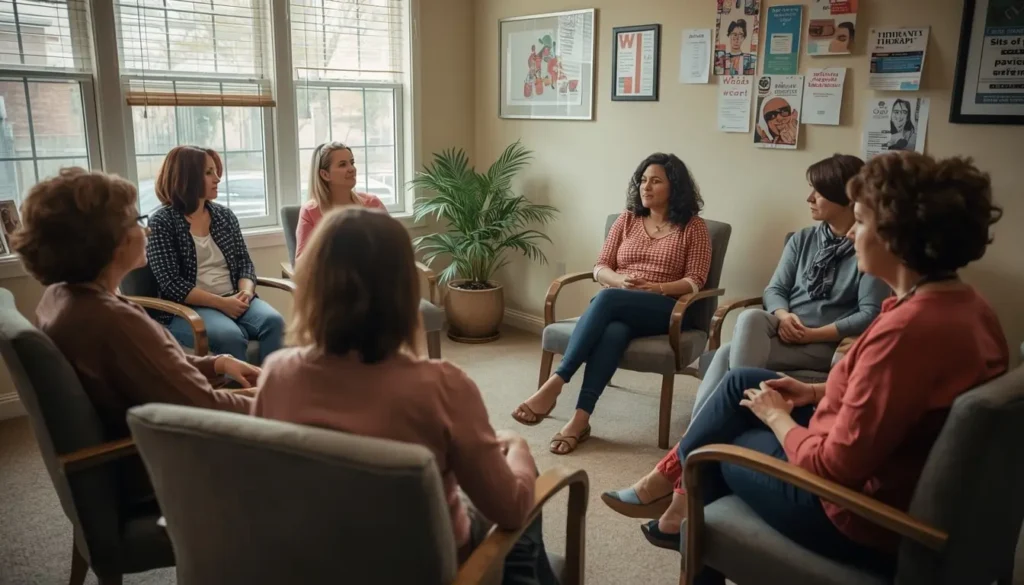
Key factors affecting women’s mental health and addiction include trauma, societal pressures, hormonal changes, co-occurring mental health disorders, socioeconomic stress, and relational issues. Understanding these unique factors helps explain why women need gender-specific treatment approaches. Causes of addiction in women are often intertwined with emotional and physical experiences that differ from those of men. Addressing these causes requires a deeper understanding of the societal context and the impact of relationships on women’s health. By focusing on the unique causes of addiction in women, we can develop more effective prevention and treatment strategies tailored to their needs. Accessing addiction resources for women is crucial in providing support tailored to their specific experiences. These resources not only offer guidance but also create a safe space for women to share their stories. By prioritizing the availability of such resources, we can empower women on their journey to recovery and ensure that they receive the help they need.
Biological and Hormonal Differences
Different Metabolism: Women metabolize alcohol and drugs differently than men, which can accelerate the progression of substance use disorders. This means women often develop alcohol use disorders and drug use disorders more rapidly than their male counterparts—a phenomenon researchers call “telescoping.”
Telescoping Phenomenon: The phenomenon of telescoping refers to women developing alcohol use disorder more rapidly than men, often experiencing severe consequences sooner. Women progress from first use to addiction faster, experience medical complications earlier, and face more severe health problems at lower levels of substance use.
Hormonal Influences: Hormonal fluctuations during menstruation, pregnancy, and menopause influence cravings and substance effects in women. The menstrual cycle affects how women respond to substances, with certain phases increasing vulnerability to cravings and relapse. Postpartum women face unique mental health challenges, with postpartum depression and anxiety potentially triggering or worsening substance use.
Physical Vulnerability: Women who misuse alcohol or drugs are more likely to experience harmful effects from substance abuse, including overdose, compared to men. Women face higher risks of liver disease, heart problems, and brain damage at lower levels of alcohol consumption than men. The causes of alcoholism in women can be influenced by various factors, including biological, social, and psychological elements. Additionally, societal pressures and expectations can exacerbate drinking behaviors among women. Understanding these underlying issues is crucial for developing effective prevention and treatment strategies. Women’s alcoholism recovery options are essential for tailoring support to their unique challenges. Programs that focus on women’s specific needs can lead to more effective outcomes in rehabilitation. By creating an environment that fosters understanding and empathy, these options encourage women to seek the help they need for a healthy recovery.
Trauma’s Central Role
Between 55% and 99% of women in addiction treatment have had traumatic experiences—a staggering statistic that underscores how deeply trauma and addiction are connected for women. Women with substance use disorders often have experienced trauma, which can complicate their treatment needs. Trends in process addictions among women highlight the diverse ways that these issues manifest in their lives. Understanding these trends is crucial for developing effective treatment strategies tailored to their unique experiences. As the prevalence of process addictions rises, it is essential to address the underlying factors contributing to these patterns among women. Types of substance abuse in women often include alcohol misuse, prescription drug dependency, and compulsive behaviors related to shopping or eating. Recognizing the unique patterns of substance abuse can aid healthcare professionals in providing more personalized care. By focusing on the specific needs and experiences of women, treatment programs can become more effective in helping them achieve recovery.
Types of Trauma Women Experience:
- Childhood physical, sexual, or emotional abuse
- Domestic violence and intimate partner violence
- Sexual assault or sexual abuse in adulthood
- Traumatic loss of loved ones or children
- Medical trauma, including difficult pregnancies or childbirth
- Witnessing violence or living in unsafe environments
- Emotional and verbal abuse by caretakers or partners
- Sexual Harassment
- Pressure to perform or perfectionistic messaging during childhood
How Trauma Drives Substance Use: When trauma remains unprocessed, it manifests as intrusive memories, nightmares, hypervigilance, emotional numbing, and overwhelming anxiety. Women discover that alcohol, prescription pain relievers, or illicit drugs temporarily quiet these symptoms—providing relief that feels like survival. Substance use becomes a way to manage the unbearable until it becomes its own problem requiring treatment.
Why Trauma-Informed Care Matters: Trauma-Informed Care (TIC) is essential for building trust and safety in treatment, avoiding re-traumatization. Traditional addiction treatment approaches that don’t address trauma often fail women because they’re asking women to give up their primary coping mechanism without providing tools to manage the trauma driving substance use.
Socioeconomic and Systemic Barriers
Women face unique barriers to treatment for substance use disorders due to societal roles as caregivers and mothers. These barriers aren’t just inconveniences—they’re significant obstacles that prevent women from accessing life-saving treatment.
Economic Barriers: Women are more likely than men to experience economic barriers to treatment, such as pay gaps and lower wages, which can limit their access to services. Socioeconomic stressors, including financial strain and homelessness, increase vulnerability to addiction in women. Without adequate income support, many women cannot afford substance abuse treatment even when they desperately need it.
Childcare Responsibilities: 70% of women entering addiction treatment have children, and many face difficulties in attending treatment due to family responsibilities. Women with substance use disorders often have primary responsibility for their children, which complicates their ability to seek treatment for substance use disorders. Childcare responsibilities are a significant barrier for women seeking treatment for substance use disorders, with many women unable to find or afford care for children during treatment hours.
Stigma and Shame: Stigma surrounding substance use is a significant barrier to treatment for women, particularly mothers. Women often report higher levels of stigma related to substance use than men, which can deter them from seeking help. Society judges women with addiction more harshly than men, particularly mothers, creating shame that prevents treatment seeking.
Fear of Consequences: Women may fear legal repercussions or social service involvement when seeking treatment for substance use disorders. Concerns about child welfare agencies removing children create impossible choices where women avoid treatment to protect their families—even as untreated addiction threatens those same relationships.
Multiple Barriers: Women with substance use disorder are more likely than men to face multiple barriers in accessing treatment. These barriers compound—a woman facing poverty, caring for children alone, experiencing domestic violence, and fearing judgment faces far more obstacles than someone with resources and support.
Gender Differences in Substance Use Patterns

Research from clinical and experimental research, including studies published in journals on clinical and experimental research, consistently shows sex differences and gender differences in how substance use disorders develop and manifest. Understanding hypersexuality in women is an important aspect of addressing these developments in substance use disorders. Many experts argue that hypersexuality may often be linked to underlying psychological issues that need to be explored. By examining these connections, researchers can gain deeper insights into the complexities of women’s health and behavior.
Prevalence and Patterns
Overall Rates: 5.7% of women have a substance use disorder in the United States, according to 2015 National Survey on Drug Use and Health (NSDUH) data. While men have higher overall rates of substance use, the gap has been narrowing—particularly concerning overdose deaths.
Specific Substance Use: 10.4% of American women suffer from an alcohol use disorder, while 3% suffer from a drug use disorder, according to NESARC data from 2015. Women are more likely than men to have been prescribed prescription pain relievers by their doctors for chronic pain, increasing risk for opioid dependence and specific drug use disorders.
Closing the Gap: The rates of overdose deaths among women have been steadily closing the gap with men in recent years. Over 50,000 women died from a drug overdose (excluding alcohol-related deaths) in just a 5-year span from 2010 to 2015—a devastating increase reflecting how substance use disorder among women has intensified.
Differences from Men
Faster Progression: Women develop alcohol abuse and drug abuse problems more quickly than their male counterparts, experiencing severe consequences sooner despite often starting substance use later in life.
Different Motivations: While men often begin substance use in social contexts or for pleasure, women more frequently start using to self-medicate mental health symptoms, manage trauma responses, or cope with relationship problems.
Relationship Context: Women are more likely to have sexual partners or intimate partners who also misuse substances, with relationship dynamics significantly influencing women’s substance use patterns.
Treatment Entry: Women entering treatment for substance use disorders often report lower self-esteem than their male counterparts, which can affect their recovery process. Women’s success in treatment depends partly on addressing these self-worth issues alongside addiction and mental health disorders.
Help-Seeking Patterns: Women are more likely to seek treatment in mental health or primary care settings rather than specialized addiction treatment programs. Women may be more likely to seek treatment in mental health or primary care settings rather than in specialized addiction treatment programs, meaning health care providers in various settings must screen for substance use disorder.
Barriers Women Face in Accessing Treatment
Despite high rates of co-occurring mental disorders and substance use disorders, women are less likely than men to seek treatment for substance use disorders. Understanding these barriers is essential for creating accessible treatment.
Practical Barriers
Childcare: Programs that provide childcare support can help women enter and stay in treatment for substance use disorders. The absence of providing childcare supports represents one of the most significant barriers—without safe care for children, mothers cannot attend treatment sessions.
Financial Constraints: Women are more likely to experience economic barriers to treatment due to lower wages, higher rates of poverty, and limited access to insurance. Even when insurance covers treatment, copays and deductibles create insurmountable obstacles for women living in poverty.
Transportation: Women are more likely than men to experience difficulties in attending regular treatment sessions because of family responsibilities combined with limited access to transportation. Getting to appointments becomes impossible when juggling work, childcare, and lack of reliable transportation.
Time Constraints: Balancing family responsibilities, work, and treatment appointments creates impossible schedules. Women often prioritize everyone else’s needs above their own health, leaving no time for the intensive treatment necessary for recovery.
Psychological and Social Barriers
Stigma: Women are more likely than men to experience stigma related to substance use disorders, which can act as a barrier to treatment seeking. This stigma is particularly intense for mothers, with society viewing maternal addiction as especially shameful.
Fear of Judgment: Women often fear judgment from family members, the community, and treatment providers themselves. This fear prevents many women from being honest with health care providers about the extent of their substance use. Narcissistic traits in women can further complicate their willingness to seek help. These traits may lead some to prioritize their image over genuine emotional support, making recovery more challenging. Understanding the impact of these traits is crucial for treatment providers aiming to create a safe environment for honest conversations.
Low Self-Esteem: Women entering treatment for substance use disorders often have lower self-esteem than their male counterparts, making the vulnerable act of asking for help feel impossibly difficult.
Isolation: Social isolation compounds all other barriers. Without social support, women lack encouragement to seek treatment, help managing practical obstacles, and hope that recovery is possible.
Systemic Barriers
Child Welfare Concerns: Fear of child welfare involvement prevents many mothers from seeking help. The threat of losing children often keeps women trapped in active addiction rather than accessing treatment that could help them become the mothers they want to be.
Legal Consequences: Women may fear legal repercussions for substance use, particularly pregnant women concerned about prosecution or loss of custody.
Limited Gender-Specific Programs: Gender-specific treatment programs are beginning to emerge to address the unique needs of women in recovery from substance use disorders, but these programs remain too rare. Most communities lack sufficient women-only treatment options.
Lack of Integrated Services: Women who use drugs may require integrated services that address both their substance use and mental health needs. Programs that don’t offer integrated interventions for co-occurring mental disorders force women to navigate separate systems—a barrier that often results in incomplete treatment.
Why Gender-Specific Treatment Matters

Women with substance use disorders may face unique barriers and distinctive issues compared to men due to both biological and societal factors. These differences mean that gender-specific treatment approaches produce improved treatment outcomes compared to mixed-gender programs.
What Makes Women’s Treatment Different
Trauma Focus: Gender-specific treatment approaches may include addressing issues such as domestic violence, sexual trauma, and parenting—issues that require safe, women-only spaces for honest exploration.
Women-Only Groups: Women-only groups create safe environments where women can discuss sensitive topics without fear of judgment or male dynamics that might trigger trauma responses or prevent authentic sharing.
Female-Specific Issues: Programs focus on issues uniquely relevant to women’s experiences—body image, eating disorders, pregnancy and postpartum challenges, mother-child relationships, intimate partner violence, and sexual trauma.
Relational Healing: Women heal through connection. Gender-specific programs emphasize building supportive relationships with other women, creating communities of sisterhood where shared experiences become sources of strength rather than shame.
Evidence-Based Approaches for Women
Therapies such as Cognitive Behavioral Therapy (CBT), Dialectical Behavior Therapy (DBT), and Motivational Interviewing are effective for treating addiction in women. Research supports specific treatment approaches for women: Effective therapies for women’s depression should prioritize individualized care that addresses unique life experiences. Combining these therapies with holistic practices can enhance overall well-being. Ultimately, understanding the specific needs of women facing depression is crucial for effective treatment outcomes.
Integrated Treatment: Integrated treatment involves addressing mental health and substance use disorders simultaneously, which is crucial for effective recovery. This means one treatment team addressing both conditions together, rather than separate treatments that fail to recognize how deeply intertwined mental health and addiction are.
Trauma-Informed Care: All treatment must recognize trauma’s role without requiring women to relive traumatic experiences before they’re ready. Creating safety comes first—only then can healing begin.
Family-Focused Approaches: Supporting women’s roles as mothers and family members rather than asking them to choose between family and recovery. Programs offering family therapy and parenting support recognize that women’s success depends partly on healing these relationships.
Holistic Approaches: Addressing physical health, mental health, emotional well-being, and spiritual needs simultaneously. Women need treatment that sees them as whole people, not just symptoms to manage.
Long-Term Support: Long-term recovery requires ongoing support beyond initial treatment. Women benefit from extended care models that provide step-down support, community connections, and resources for maintaining recovery amid life’s ongoing challenges.
Special Populations Within Women’s Treatment
Certain groups of women face additional challenges requiring specialized understanding and support.
Pregnant and Postpartum Women
Pregnant women with substance use disorder face unique vulnerabilities and barriers. Pregnant women are more likely to be prescribed prescription drugs for pregnancy-related conditions, potentially increasing risk for substance use issues when combined with existing vulnerabilities.
Postpartum women experience hormonal changes, sleep deprivation, and potential postpartum depression or anxiety—all factors that can trigger or worsen substance use. Treatment for pregnant and postpartum women must integrate prenatal care, infant care considerations, and support for maternal-infant bonding alongside addiction and mental health treatment.
Mothers with Children
70% of women entering addiction treatment have children. These women need treatment that acknowledges their role as mothers rather than requiring them to ignore this central part of their identity. Programs offering support for mothers help women heal while maintaining important connections with children and working toward reunification when appropriate.
Women in the Criminal Justice System
Female prisoners have significantly higher rates of substance use disorder and mental illness compared to male prisoners. These women often have extensive trauma histories and face additional barriers upon release—difficulty finding housing, employment discrimination, and ongoing legal issues that complicate recovery.
Women with Chronic Pain
Women are more likely than men to experience chronic pain and be prescribed prescription pain relievers by their doctors. This creates vulnerability to opioid dependence, particularly when women lack adequate pain management alternatives. Treatment must address both pain management and opioid use disorder without dismissing women’s legitimate pain experiences. Opioid recovery programs for women are essential in providing tailored support that acknowledges their unique challenges. These programs often incorporate holistic approaches, addressing both the psychological and physical aspects of recovery. By focusing on women’s specific needs, such initiatives can significantly improve outcomes and foster a sense of community among participants.
The Role of Health Systems and Providers
Health care providers, social services, community agencies, and systems like child welfare all play crucial roles in connecting women to treatment and supporting recovery.
Screening and Referral
Universal Screening: The U.S. Department of Health and Human Services and the Centers for Disease Control recommend universal screening for substance use in healthcare settings. All health care providers should screen for substance use disorder and mental health disorders, recognizing that women often seek help in primary care or mental health settings before addiction treatment.
Warm Handoffs: When providers identify substance use disorder, immediate connection to treatment (warm handoffs) dramatically increases the likelihood that women will actually access care. Giving a phone number isn’t enough—providers must actively facilitate connections.
Integrated Primary Care: Integrating mental health and substance abuse treatment within primary care settings reduces barriers for women, who are more likely to seek help from trusted primary care physicians than addiction specialists.
System Coordination
Cross-System Collaboration: Child welfare, criminal justice, social services, and healthcare systems must coordinate to support women rather than create impossible obstacles. When these systems work together, women have pathways to treatment instead of being caught between conflicting demands.
Resource Navigation: Many women need income support, housing assistance, childcare resources, legal advocacy, and healthcare coordination alongside addiction treatment. Programs that help navigate these resources improve women’s ability to engage in and complete treatment.
Treatment Approaches That Work for Women
Effective treatment for women addresses substance use disorder, mental health disorders, trauma, practical barriers, and life skills development simultaneously.
Core Treatment Components
Individual Therapy: One-on-one work with a therapist addressing each woman’s unique trauma history, mental health symptoms, relationship patterns, and recovery goals.
Group Therapy: Women-only groups where shared experiences create connection, reduce isolation, and provide peer support essential for long-term recovery.
Family Therapy: Healing relationships with children and family members, improving communication, and creating supportive family systems for recovery.
Medication-Assisted Treatment: When appropriate, medications for opioid dependence, alcohol dependence, or mental health disorders support recovery alongside therapy.
Trauma Processing: Evidence-based trauma therapies helping women heal from experiences underlying both mental illness and substance use. Women’s mental health recovery journeys can be uniquely challenging, as each woman’s experience is distinct. Support networks play a crucial role in aiding individuals as they navigate their personal paths to well-being. By embracing holistic approaches that include therapy, community support, and self-care practices, women can find empowerment in their healing journeys.
Skill Building: Practical life skills many women never learned—emotion regulation, healthy communication, boundary setting, parenting skills, financial management, and self-care.
Addressing Practical Needs
Childcare Support: Providing childcare support during treatment sessions or connecting women with childcare resources.
Case Management: Helping women access social services, income support, housing, legal assistance, and medical care.
Transportation Assistance: Ensuring women can attend treatment despite transportation barriers.
Extended Care: Recognizing that sustainable recovery takes time—not weeks but months or longer. Extended residential treatment gives women time to heal deeply rather than rushing through abbreviated programs.
The Rose House Approach to Women’s Mental Health and Addiction
At The Rose House, we understand that women’s mental health and substance use disorders are deeply connected, often rooted in trauma that requires specialized care. Since 2007, we’ve provided extended residential treatment designed specifically for women—because women get better here.
Our Trauma-Focused Model
We recognize that trauma underlies addiction for most women. Our treatment doesn’t just address surface symptoms—it helps women heal the wounds driving both mental illness and substance use. We define trauma broadly as “any experience that is less than nurturing,” acknowledging that all pain deserves compassionate attention.
Trauma-Informed Care means:
- Creating safety first, always
- Building trust through consistency and compassion
- Empowering women as active participants in their healing
- Recognizing how trauma affects every aspect of women’s lives
- Addressing trauma without forcing readiness—healing happens at each woman’s pace
Integrated Treatment for Co-Occurring Disorders
We provide integrated treatment addressing substance abuse and mental health disorders simultaneously. Whether you’re struggling with post traumatic stress disorder, anxiety disorders, depression, eating disorders, or other psychiatric disorders alongside addiction—our treatment team addresses all conditions together within one coordinated plan. Treatment options for anxiety disorders vary widely, and our team is equipped to tailor them to individual needs. From cognitive-behavioral therapy to medication management, we ensure a comprehensive approach. Each patient receives a customized plan that integrates strategies for managing both anxiety and any co-occurring disorders.
Our evidence-based therapies include:
- Dialectical Behavior Therapy for emotion regulation
- Trauma-focused therapies for processing painful experiences
- Cognitive Behavioral Therapy for changing thought patterns
- Group therapy within a community of women
- Individual therapy tailored to each woman’s needs
- Family therapy supporting relationship healing
Extended Care for Sustainable Recovery
Real transformation takes time. Our extended residential program provides months—not just weeks—for deep healing work. Women need time to:
- Process trauma that’s been buried for years or decades
- Develop skills for managing mental health symptoms without substances
- Build self-esteem and self-worth damaged by addiction and trauma
- Heal relationships with children and family members
- Create foundations for long-term recovery that last
We offer step-down phases supporting gradual transition back to independent life with continued support—because sustainable recovery requires more than crisis stabilization.
Addressing Barriers Women Face
We understand the barriers that keep women from accessing treatment. While we cannot provide on-site childcare, we support mothers in their recovery journey and work toward reunification with children when appropriate. We recognize that being a mother is central to many women’s identity and recovery motivation.
We work with most insurance providers to reduce financial barriers and help women navigate the often-confusing process of accessing substance abuse treatment benefits.
Community of Sisterhood
Women heal through connection. Our small, intimate 17-bed facility creates a community of women supporting each other through the challenging work of recovery. In women-only groups and daily life together, women discover they’re not alone—that others truly understand the intersection of trauma, mental health disorders, and addiction.
This community becomes a source of strength that women carry forward long after leaving treatment, with alumni support maintaining connections that support lasting recovery.
Taking the First Step Toward Healing
If you’re struggling with both mental health challenges and substance use—whether alcohol use disorders, drug use disorders, or prescription drug misuse—you deserve treatment addressing both. You deserve to heal from trauma. You deserve support for the unique challenges you face as a woman. You deserve recovery.
Taking the first step means acknowledging you cannot do this alone. It means believing, even slightly, that healing is possible. It means reaching out despite fear, shame, or exhaustion.
Resources for Getting Help:
SAMHSA National Helpline: The Substance Abuse and Mental Health Services Administration (Mental Health Services Administration) operates a free, confidential, 24/7 helpline: 1-800-662-HELP (4357). This national helpline provides treatment locator services for individuals seeking help for dual diagnosis (mental health and addiction).
988 Suicide & Crisis Lifeline: If you’re experiencing a mental health crisis or thoughts of suicide, the 988 Suicide & Crisis Lifeline provides 24/7 free and confidential support for mental health or substance use crises. Call or text 988 anytime.
The Rose House: If you’re ready for comprehensive, trauma-informed treatment designed specifically for women, contact The Rose House to learn how our extended residential program can support your healing journey.
Frequently Asked Questions
Mental health disorders and substance use disorder are deeply interconnected for women, with each condition often influencing and worsening the other. Women are more likely than men to have co-occurring mental health disorders like depression, anxiety, post-traumatic stress disorder, and eating disorders alongside addiction.
The relationship typically unfolds in several ways: Women often begin using substances to self-medicate untreated mental health symptoms—using alcohol to quiet anxiety, prescription pain relievers to numb emotional pain, or illicit drugs to escape depression. Substance use provides temporary relief but ultimately worsens mental health symptoms, creating a cycle where each condition feeds the other.
Trauma plays a central role in this connection. Between 55% and 99% of women in addiction treatment have experienced trauma, which frequently underlies both mental illness and substance use disorder. Women with histories of physical, sexual, or emotional abuse face significantly higher rates of both conditions.
Biological factors also contribute—hormonal fluctuations during the menstrual cycle, pregnancy, and menopause influence both mental health symptoms and substance use patterns. Women metabolize substances differently than men, developing addiction more rapidly and experiencing more severe mental health consequences from substance use.
Effective treatment must address both conditions simultaneously through integrated interventions. Treating substance use without addressing underlying mental health disorders—or vice versa—rarely produces lasting recovery. At The Rose House, our integrated approach recognizes this connection, providing trauma-informed care addressing the whole person.
Women face more obstacles than men when seeking addiction treatment, with multiple barriers often compounding to create seemingly impossible obstacles. Understanding these barriers helps explain why women are less likely than men to seek treatment despite having high rates of substance use disorder.
Childcare responsibilities represent the most significant practical barrier—70% of women entering treatment have children, and childcare responsibilities prevent many from attending treatment sessions. Without providing childcare supports, mothers must choose between accessing treatment and caring for their children.
Economic barriers disproportionately affect women, who experience lower wages, higher poverty rates, and less access to employer-provided insurance. Even when insurance covers treatment, women may lack resources for copays, transportation, or time away from work.
Stigma creates powerful psychological barriers. Society judges women with substance use disorders more harshly than men, particularly mothers. Women often report higher levels of stigma related to substance use than men, creating shame that prevents treatment seeking.
Fear of consequences stops many women from seeking help. Women fear child welfare involvement, potentially resulting in loss of custody, legal repercussions for substance use, and judgment from family members and the community.
Family responsibilities beyond childcare create time barriers. Women are more likely than men to be primary caregivers for children, aging parents, or partners, making it difficult to prioritize their own treatment needs.
System failures compound other barriers—lack of gender-specific programs, absence of integrated services addressing both mental health and addiction, inadequate transportation options, and fragmented systems requiring women to navigate multiple agencies.
Effective treatment programs address these barriers directly—offering extended hours, providing case management connecting women to resources, creating women-only spaces reducing stigma, and offering extended care models allowing time for sustainable recovery.
Women with substance use disorders face unique barriers and distinctive issues compared to men due to biological, psychological, and social factors. Gender-specific treatment approaches produce improved treatment outcomes because they address these unique needs.
Trauma prevalence: Between 55-99% of women in addiction treatment have trauma histories, particularly sexual abuse and domestic violence. Women-only spaces create safety for discussing these experiences without triggering additional trauma or feeling judged. Women-only groups facilitate deeper sharing and stronger peer connections essential for healing.
Co-occurring mental health disorders: Women have higher rates of depression, anxiety, post-traumatic stress disorder, and eating disorders alongside addiction. Gender-specific programs integrate treatment for these co-occurring mental disorders rather than treating conditions separately.
Biological differences: Women metabolize substances differently, developing addiction faster and experiencing more severe health consequences. Treatment must account for how the menstrual cycle, pregnancy, and menopause affect cravings, withdrawal symptoms, and recovery.
Relationship factors: Women often develop substance use within relationships and face barriers related to intimate partners, family responsibilities, and motherhood. Gender-specific treatment addresses relationship dynamics, parenting challenges, and domestic violence—issues requiring specialized understanding.
Stigma and shame: Women experience greater stigma for substance use than men, particularly mothers. Women-only treatment reduces judgment and creates communities where shared experiences become sources of strength rather than shame.
Treatment approaches: Therapies like Dialectical Behavior Therapy, trauma-focused interventions, and relational approaches work particularly well for women when delivered in gender-specific contexts. Women heal through connection with other women who truly understand their experiences.
At The Rose House, our women-only environment creates the safety, understanding, and community essential for women’s recovery from both addiction and mental health disorders.
Treatment length for women with co-occurring mental health disorders and substance use disorder varies based on individual needs, but extended care produces better outcomes than brief interventions—particularly when trauma underlies both conditions.
Research consistently shows that long-term recovery requires adequate time for healing. Brief 28-30 day programs rarely provide sufficient time to address trauma, develop coping skills for managing mental health symptoms without substances, process grief and losses, heal damaged relationships, and build foundations for sustainable recovery.
Recommended treatment duration:
Residential treatment: 60-180+ days depending on severity. Women with significant trauma histories, multiple co-occurring mental disorders, or previous unsuccessful treatment attempts benefit from extended residential care, allowing deep therapeutic work.
Step-down phases: Gradual transition with decreasing intensity of support over several months
Outpatient continuation: 6-12+ months of ongoing therapy, group support, and case management
Lifelong recovery support: Continued engagement with alumni support, peer communities, and mental health care
Why extended care matters for women:
Processing trauma cannot be rushed. Women need time to build trust with therapists, develop safety within the treatment community, and gradually address painful experiences underlying both mental illness and substance use. Attempting to compress this healing into brief timeframes often results in incomplete recovery and relapse.
Co-occurring disorders require simultaneous, integrated treatment over extended periods. Stabilizing mental health symptoms, adjusting medications, developing emotion regulation skills, and learning to manage both conditions without substances takes months, not weeks.
At The Rose House, our extended residential program provides the time women need—not arbitrary, insurance-driven timeframes, but individualized care that matches each woman’s healing journey. We recognize that sustainable recovery from co-occurring disorders requires thorough, patient-centered treatment that addresses root causes rather than quick-fix approaches that manage only surface symptoms.
Begin Your Healing Journey at The Rose House
Women’s mental health and addiction are deeply connected, often rooted in trauma that requires specialized, compassionate care. At The Rose House, women break free from the cycle of mental illness and substance use through extended residential treatment designed specifically for their needs.
Since 2007, we’ve helped women heal from:
- Substance use disorder (alcohol, prescription drugs, illicit drugs)
- Co-occurring mental health disorders (depression, anxiety, PTSD, eating disorders)
- Trauma underlying both conditions
- The barriers that keep women trapped in addiction
Our approach includes:
- Extended residential treatment allows time for deep healing
- Trauma-informed care creates safety first
- Integrated treatment addressing mental health and addiction together
- Evidence-based therapies proven effective for women
- Small, intimate community of 17 beds
- Women-only environment supporting authentic healing
- Support for mothers working toward reunification with their children
You deserve treatment that understands your unique experiences as a woman. You deserve time to heal. You deserve recovery.
Contact The Rose House** today to learn how our program can support your journey from mental health struggles and addiction toward the beautiful life you deserve.**
Call our admissions team or visit our website to take the first step. Healing is possible—let us show you how.
About The Rose House
The Rose House is a licensed and Joint Commission-accredited residential treatment facility specializing in women’s mental health and addiction. Located in beautiful Colorado, our intimate 17-bed facility has served women since 2007 through extended care residential treatment addressing trauma, substance use disorder, and co-occurring mental health disorders. We provide evidence-based, trauma-informed care within a dynamic community of recovery where women get better together. Learn more at www.therosehouse.com.
References and Resources:
- Substance Abuse and Mental Health Services Administration (SAMHSA): www.samhsa.gov
- National Institute on Drug Abuse (NIDA): www.drugabuse.gov
- Centers for Disease Control and Prevention (CDC): www.cdc.gov
- U.S. Department of Health and Human Services: www.hhs.gov
- 988 Suicide & Crisis Lifeline: Call or text 988