Yes, you can be addicted to a person. Clinicians call this love addiction, relationship addiction, or limerence, and it behaves like a process addiction, with cravings, withdrawal, and a loss of control centered on one specific relationship rather than a substance.
Most people imagine addiction as a bottle, a pill, or a needle. If you’ve ever wondered why you can’t stop checking your phone for a reply from one specific person, why being apart from someone feels like actual physical pain, or why you keep returning to a relationship that hurts you, you’re asking a question with a real clinical answer. This is a recognized pattern, one our clinical team sees constantly in the women who come through our doors seeking help for something they couldn’t quite name.
Our clinical team at The Rose House treats process addictions, including love and relationship addiction, as seriously as we treat substance use disorder, because the same brain circuitry and the same loss of control are at work. We’re a women-only residential program, state licensed in Colorado and Joint Commission accredited, treating women for 90 or more days at our 17-bed home near Boulder. Our approach leads with Gestalt therapy, Internal Family Systems, and experiential work, including psychodrama and Inner Bonding, because relationship addiction almost always has roots in attachment wounds and trauma that talk therapy alone can’t reach. We treat this condition whether it appears alongside a substance use disorder or completely on its own.
What Does It Mean to Be Addicted to a Person
Being addicted to a person means your sense of safety, identity, or self-worth has become dependent on one specific relationship, to the point where you experience real withdrawal symptoms when that person is unavailable or absent. It means organizing your entire emotional state around their presence, approval, or attention, well beyond simply loving someone deeply.
Clinically, this shows up as a process addiction, sometimes called love addiction or relationship addiction, and it shares the same core features SAMHSA and addiction researchers use to define any addictive disorder: cravings, a loss of control, and continued engagement despite negative consequences. Instead of substances, the “drug” is another human being, their attention, their validation, the intensity of being wanted by them.
Why does this happen to some people and not others? Often it traces back to attachment patterns formed early in life, particularly insecure or anxious attachment styles. A woman who grew up needing to earn love, or whose caregivers were inconsistent, may unconsciously recreate that same chase as an adult. The nervous system learns that love is unreliable and has to be won. That belief persists into adulthood and shows up in adult relationships as what looks like devotion but functions like compulsion.
Common Signs of Addiction to a Person
This is what we typically see when a woman describes this pattern in session:
- Constant, intrusive thoughts about the person, even during work or unrelated activities
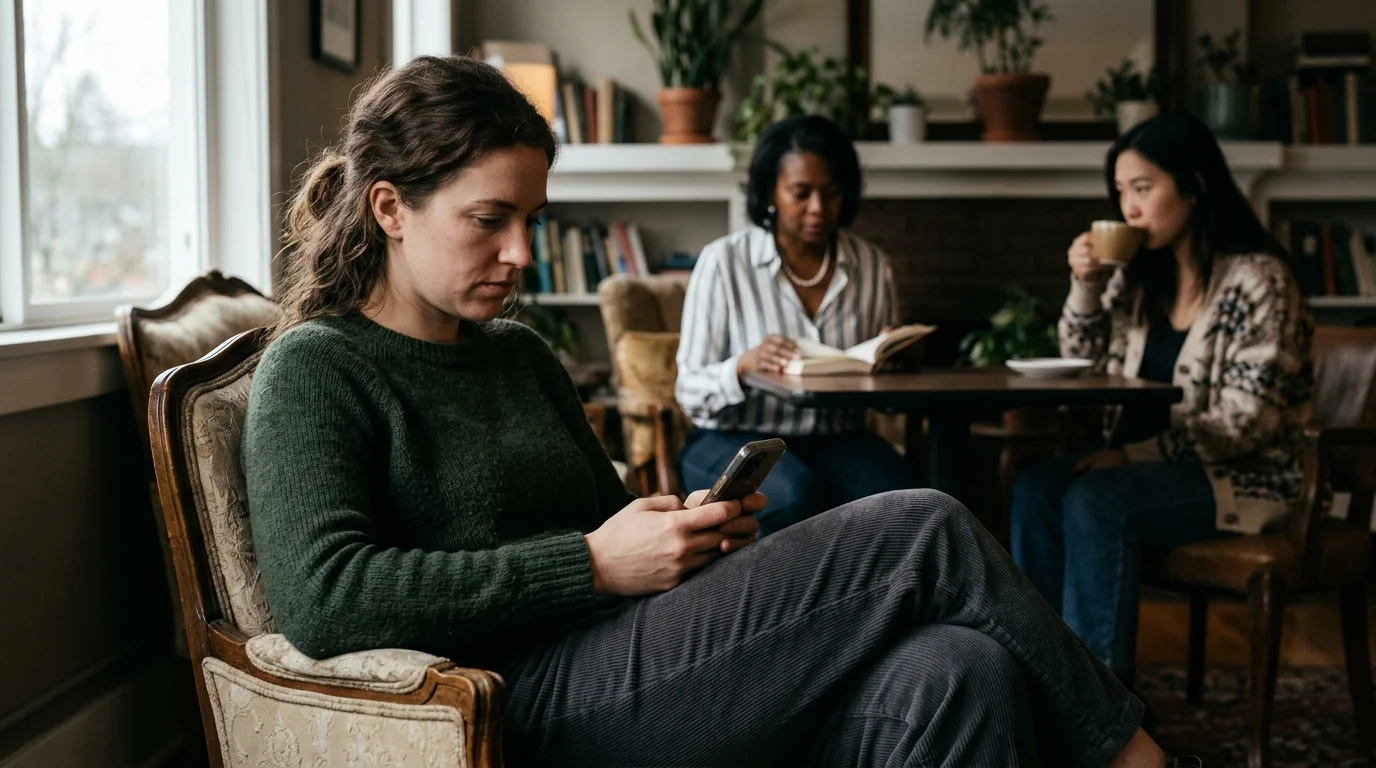
- Checking your phone repeatedly, rereading old messages, or analyzing tone for hidden meaning
- Physical symptoms when separated: a racing heart, nausea, insomnia, or a hollow feeling in your chest
- Neglecting friendships, hobbies, or responsibilities to stay close to or available for this person
- Tolerating treatment you’d never accept from anyone else
- Feeling like you don’t exist, or that your mood is entirely dictated by their mood
- Returning to the relationship repeatedly despite knowing it causes harm
- A sense of panic or identity collapse at the thought of the relationship ending
These signs are about dependency rather than affection, and dependency is what makes this addiction rather than love.
Is It Possible to Get Addicted to a Person
It is possible, and it’s increasingly well documented in attachment and addiction research. Studies on behavioral addictions describe emotional dependency as a genuine process addiction, with the same reward-seeking and withdrawal mechanisms found in substance use disorder, just directed at a person instead of a substance.
What’s happening in the brain helps explain why this feels so consuming. Early-stage romantic attachment and substance use both activate the brain’s reward pathways, flooding the system with dopamine. That’s part of why early infatuation can feel euphoric, almost like a high. For most people, that intensity settles as a relationship matures into a calmer attachment. For a woman with unresolved trauma or an anxious attachment style, that settling never quite happens. The nervous system stays locked in seeking mode, chasing the next text, the next reassurance, the next moment of closeness, because the quiet in between feels unbearable.
Addiction to a Person vs. Healthy Love
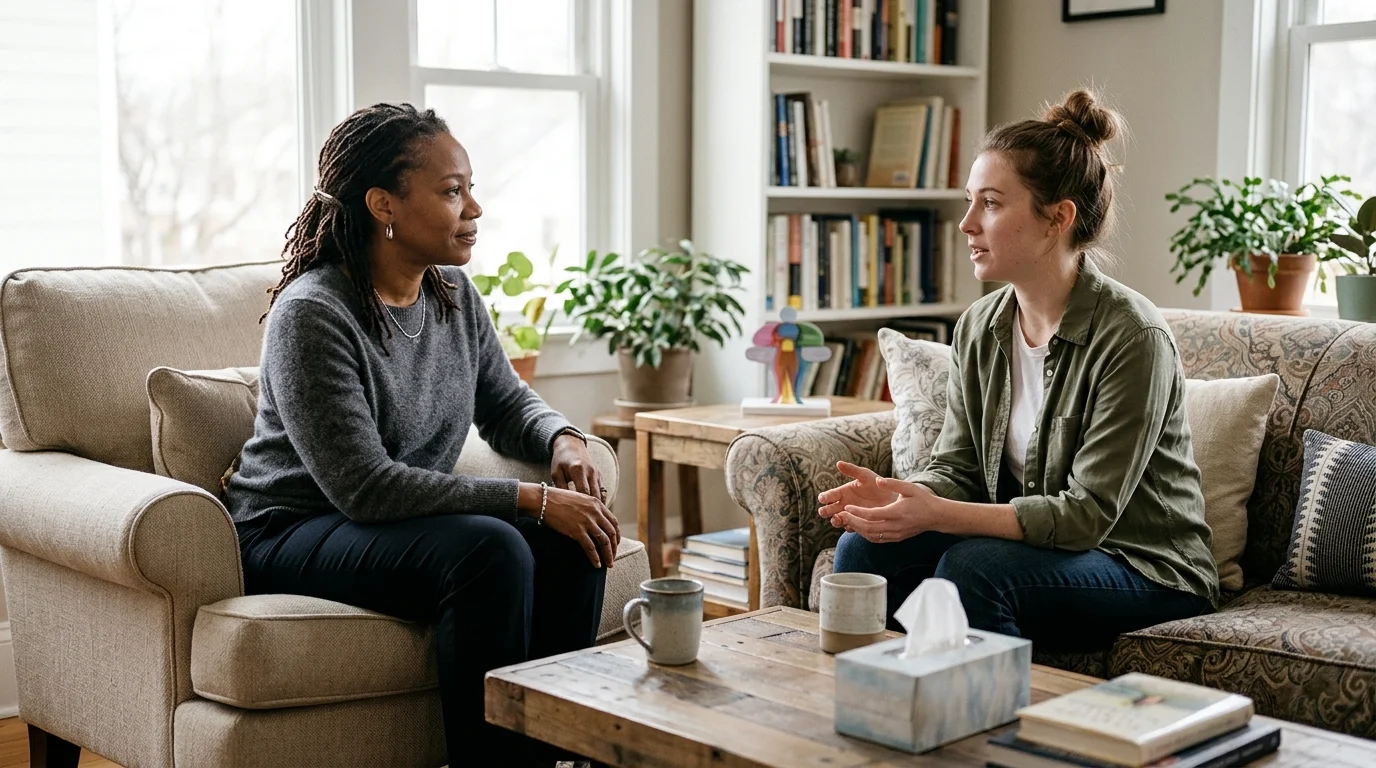
So how do you tell the difference between a relationship that’s intense because it’s new, and one that’s addictive because it’s compulsive? This table breaks down the distinction our therapists use in sessions.
| Healthy Attachment | Addictive Pattern |
|---|---|
| You feel grounded in who you are outside the relationship | Your identity feels dependent on the relationship’s status |
| Time apart is comfortable, even enjoyable | Time apart triggers anxiety, panic, or physical distress |
| You can set and hold boundaries | Boundaries dissolve when the relationship is at risk |
| Conflict leads to repair and growth | Conflict leads to obsessive rumination or desperate pursuit |
| Other relationships and interests stay intact | Friendships, work, and self-care fall away |
| You trust the relationship can survive disagreement | You fear any distance means permanent loss |
Healthy love leaves room for you to remain whole, while addictive attachment doesn’t.
Why Am I Addicted to One Person
If you’re asking this question about yourself, you’re probably asking because something feels out of your hands. Usually, this traces back to an attachment wound, often one formed well before this particular relationship ever began.
A woman who experienced childhood neglect, inconsistent caregiving, or earlier relational trauma often develops a nervous system that equates love with vigilance. You learned, maybe without ever putting words to it, that attention had to be monitored and earned. That wiring follows you into adult partnerships, friendships, and even family relationships, where one particular person becomes the focal point of that old, unresolved need.
Co-dependency often travels alongside this pattern. You may find your own needs, opinions, and even your mood become secondary to managing someone else’s. This is a trauma response, and it’s treatable with the right support.
Client Spotlight
A woman we’ll call Danielle came to us after a relationship that had ended more than two years earlier. For her, it hadn’t really ended at all. She still checked her ex’s social media daily, still felt physically sick on the anniversary of their first date, and still believed if she’d just said the right thing, he would have stayed. Through Gestalt work and Internal Family Systems sessions here, she traced the pattern back to a father who left when she was seven and a mother who told her, repeatedly, that she wasn’t worth staying for. By the time she completed her residential stay, Danielle could describe the difference between missing someone and needing someone to prove she mattered. That distinction changed everything about how she showed up in her next relationship.
Is Being Addicted to Someone the Same as Love
No, being addicted to someone is not the same as love, though the two can feel identical in the moment. Love allows for separateness, security, and calm, while addiction demands constant proximity, reassurance, and an escalating need that’s never fully satisfied.
What drug makes you feel like you’re in love? None, technically, but the comparison is useful. The dopamine and oxytocin surge of early romantic attraction mimics stimulant and opioid pathways closely enough that researchers genuinely study them side by side. That’s why early love can feel like a high, and why losing that person can feel like withdrawal, complete with sleeplessness, appetite changes, and a kind of bodily ache.
The meaning behind “I am addicted to you,” when it’s said playfully, is usually just an expression of strong attraction. But when a woman says it in our sessions and means it literally, when she describes genuine physical withdrawal symptoms, obsessive checking, and an inability to function without contact, we’re talking about a diagnosable, treatable pattern.
How The Rose House Treats Relationship and Love Addiction
Treating addiction to a person requires going underneath the relationship itself, into the attachment history that created the vulnerability in the first place. That’s the work we do.
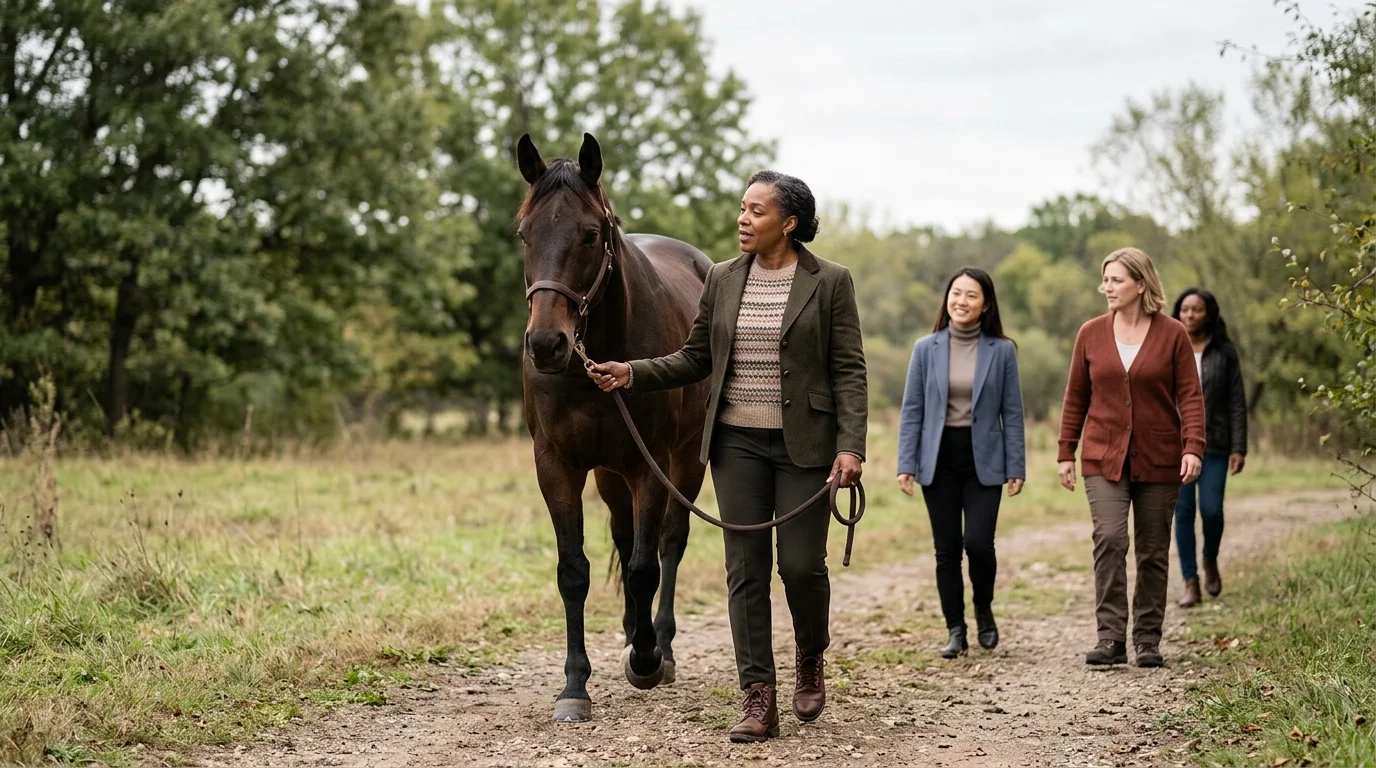
Our program leads with experiential and parts-based therapies rather than defaulting to talk-only approaches. In Gestalt therapy, a woman might sit with the empty chair representing the person she can’t stop thinking about, saying out loud what she’s never let herself say. Internal Family Systems helps her identify the exiled, younger part of herself still waiting to be chosen. Psychodrama and role playing let her rehearse boundaries she’s never had the nervous system capacity to hold in real time. Inner Bonding teaches her to meet her own needs rather than outsourcing that job to someone else entirely. Equine therapy, held weekly off-site at a nearby ranch, often reveals attachment patterns faster than words can, since horses respond to nervous system state rather than explanation.
This work happens over 90 or more days of residential care, because unwinding a lifelong attachment pattern takes sustained time rather than a few sessions. Women in our program receive individual therapy, group therapy, and family therapy, since relationship addiction frequently has roots in family-of-origin dynamics that benefit from everyone involved doing their own work. Our ideal treatment plan extends to nine months total, pairing residential care with our continuing care program in Lafayette, so a woman can build new relational patterns with support after she leaves the main house.
Can a person be addicted to another person even without any substance use involved? Yes, and this is one of the reasons The Rose House welcomes women whose primary struggle is a process addiction or primary mental health condition, with no substance use disorder required for admission.
What Sets The Rose House Apart in Treating This Pattern
We’ve been open and helping women get better since 2007, and we remain privately held and founder-owned, which means the clinical model here reflects clinical judgment rather than a corporate formula applied across dozens of facilities. Our founder built this program around a deeply personal understanding of what it means to lose someone you love, and that same intention shapes how our 20-plus staff, including PhD and master’s-level clinicians, approach every woman’s care.
We’re state licensed in Colorado to treat behavioral health and Joint Commission accredited, the gold standard in healthcare quality. Our clinical team includes licensed professional counselors, clinical social workers, addiction specialists, and board-certified medical providers, all trained in the evidence-based and experiential modalities this kind of attachment work requires. Weekly family therapy, family support groups, and Family Clinical Weekends mean the relational patterns a woman is unlearning get addressed with the people closest to her, including her family throughout the process.
Because we’re a 17-bed program rather than a large facility, every woman is known personally while she does this work. Your story, your attachment history, your specific version of this pattern, gets the individual attention it deserves.
If this pattern sounds like something you or someone you love is living with, reach out to our admissions team for support in understanding it. We’re happy to talk through what you’re experiencing, answer your questions about our approach, and help you understand what the next right step could look like.
Supporting Articles
- Process Addictions in Women: Covers how non-substance addictions, including relationship and love addiction, develop and how they’re treated.
- Gestalt Therapy for Women: Explains the Gestalt approach our clinical team leads with when treating attachment and relationship patterns.
- Healing After Narcissistic Abuse: What Recovery Actually Looks Like: Addresses a common relationship dynamic that often underlies addictive attachment.
- Trauma Treatment for Women: Details how trauma, the foundation of most relationship addiction, is treated at The Rose House.
- Women’s Residential Treatment: Finding Hope and Healing in a Specialized Environment: An overview of what residential care at The Rose House actually involves day to day.
Frequently Asked Questions
Yes. Research on behavioral addiction shows emotional dependency on another person can involve the same cravings, withdrawal, and loss of control seen in substance use disorder, just directed at a relationship instead of a substance.
Clinicians generally call it love addiction, relationship addiction, or limerence, and may classify it as a process addiction. It frequently overlaps with co-dependency and anxious attachment patterns.
This usually stems from an attachment wound formed earlier in life, often from inconsistent or neglectful caregiving. Your nervous system may equate love with vigilance, making one relationship feel like it holds your entire sense of safety.
It means your emotional stability, identity, or sense of worth has become dependent on one specific relationship, to the point of real withdrawal symptoms, like anxiety or physical distress, when that person is unavailable.
No. Healthy love allows for separateness and calm, while addiction to a person involves compulsive need, obsessive thoughts, and panic at the idea of distance or loss.
No actual drug is involved, but early romantic attraction activates dopamine pathways similarly to certain substances, which is part of why early love and addictive attachment can feel physically similar.
Yes. Relationship addiction is a recognized process addiction on its own and doesn’t require a co-occurring substance us