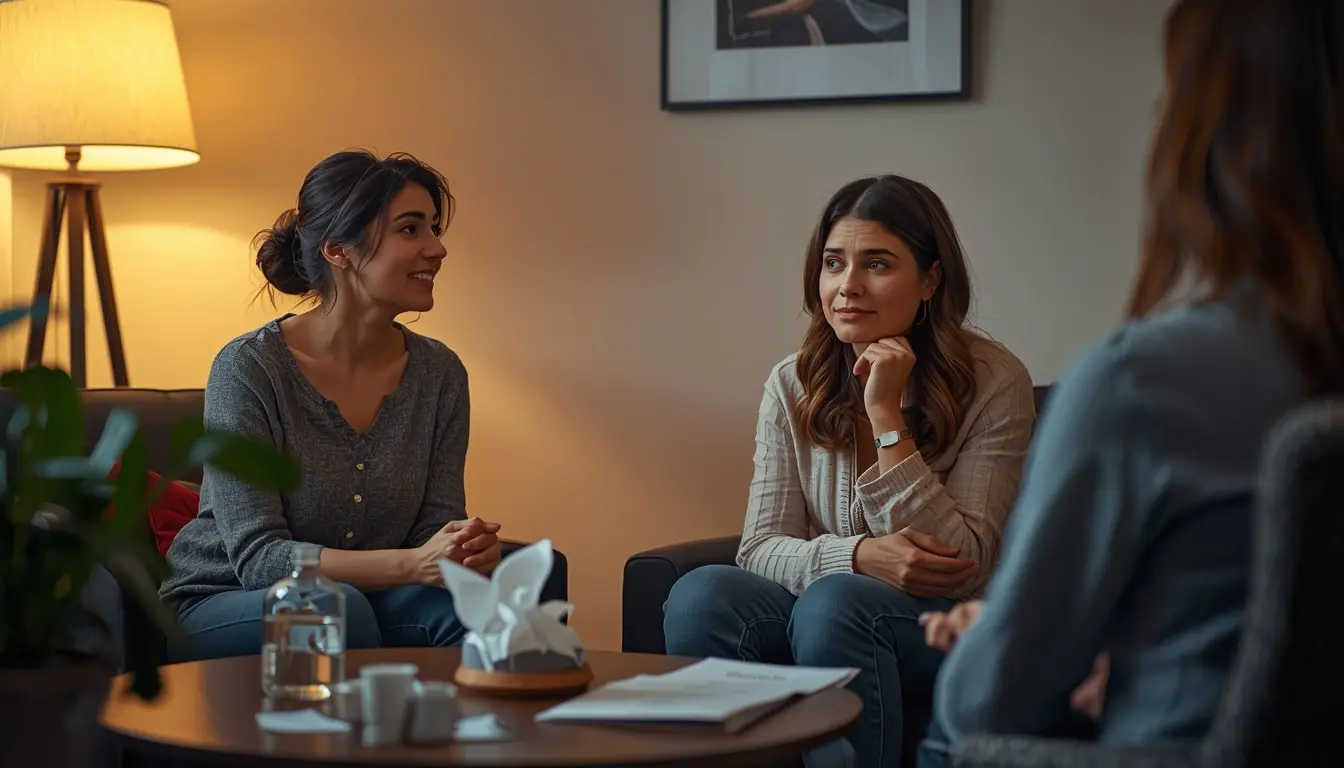
Recovery stories have the power to change lives. When you’re in the grip of addiction, wondering if you’ll ever break free, hearing how other women found their way back to themselves offers more than hope—it offers proof that recovery is possible, that you’re not alone, and that the life you dream of is within reach.
These addiction recovery stories from women who found healing at The Rose House aren’t fairy tales with easy endings. They’re real stories of struggle, rock bottom moments, courageous first steps, and the daily work of staying sober. Each recovery story is unique, yet threads of common experience weave through them—the pain of addiction, the fear of change, the transformative power of community, and the joy of reclaiming authentic lives.
The women whose stories appear here have generously allowed us to share their journeys. To protect their anonymity while honoring their courage, we’ve changed identifying details while preserving the truth of their experiences. These are composite narratives drawn from real women who walked through The Rose House doors broken and left whole, who arrived hopeless and discovered they were worth saving.
Sarah’s Story: When Success Couldn’t Fill the Void
Sarah appeared to have it all. By age thirty-two, she’d built a successful career, owned a beautiful home, and maintained friendships with people who admired her drive. But behind closed doors, Sarah was drowning in alcohol.
She started drinking in college like most people—a few drinks at parties, wine with dinner, celebratory cocktails. By her mid-twenties, drinking had become her primary way to cope with anxiety and the pressure to perform perfectly in every area of life. At first, no one noticed. Sarah was a high-functioning alcoholic who never missed work, always looked put-together, and could drink most people under the table while appearing completely sober.
“I genuinely believed I had it under control,” Sarah shares. “I’d tell myself I only drank at night, only at home, only after I’d accomplished everything on my to-do list. I had a thousand rules about my drinking, and I broke every single one eventually.”
The wake-up call came on an ordinary Tuesday morning. Sarah woke up in her car in a parking lot with no memory of how she’d gotten there. Her phone showed missed calls from friends who’d been worried when she left the bar alone. Her body ached, her hands shook, and for the first time, she couldn’t push away the truth: she had a drinking problem she couldn’t fix alone.
Sarah’s family staged an intervention that felt like both a relief and a nightmare. Her mother cried. Her sister was angry. Her father was quiet, which somehow felt worse. But they all agreed on one point—they wanted Sarah to get help at The Rose House, a place they’d researched that specialized in treating women with addiction and the underlying trauma driving it.
“I was terrified walking through those doors,” Sarah remembers. “I’d built my whole identity around being competent and in control. Admitting I needed help felt like admitting I was broken beyond repair.”
What Sarah discovered at The Rose House surprised her. She wasn’t broken—she was human. In group therapy, she met other women whose stories mirrored her own. High-achievers who drank to quiet anxiety. Perfectionists who used alcohol to escape the impossible standards they set for themselves. Women who appeared to have their lives together while secretly falling apart.
Through trauma-focused therapy, Sarah began understanding the roots of her alcohol addiction. She’d experienced emotional neglect as a little girl—not overt abuse, but a persistent feeling that she had to earn love through achievement. Drinking had been her way of finally letting down the exhausting mask of perfection.
“The Rose House taught me that trauma isn’t just big, dramatic events,” Sarah explains. “It’s any experience that is less than nurturing. Understanding that changed everything.”
Treatment wasn’t easy. Sarah faced moments of wanting to leave, convinced she didn’t belong there. But the community of women in recovery kept showing up for her, especially on days she couldn’t show up for herself. They called her on her excuses because they’d used the same ones. They celebrated her small victories because they understood how hard-won they were.
Four years sober now, Sarah’s life looks different. She left her high-pressure job for work that aligns with her values. She’s learned to sit with uncomfortable feelings instead of drinking them away. She has genuine friendships built on vulnerability rather than the performance of perfection.
“Sobriety gave me back my life,” Sarah says, “but more than that, it gave me myself. The Rose House taught me I was worth saving, and that knowledge changes everything.”
Maria’s Story: A Mother’s Fight to Come Home
Maria started drinking at age fifteen. Growing up in a home marked by domestic violence and chaos, alcohol offered the only escape she knew. By eighteen, she’d added drugs to the mix—first marijuana, then cocaine, then whatever would numb the pain of a childhood that still haunted her.
At twenty-three, Maria got pregnant. She managed to stay sober during her pregnancy, terrified of hurting her baby. She gave birth to a beautiful daughter and promised herself everything would be different now. She had a reason to stay clean.
But addiction doesn’t care about promises or good intentions. Within six months, Maria was using again. The downward spiral happened faster than she could have imagined. She lost her job. Her relationship with her daughter’s father collapsed. Eventually, her mother took custody of her little girl—a moment that should have been Maria’s rock bottom but somehow wasn’t.
“The worst part was knowing my daughter was better off without me,” Maria shares, her voice breaking even years later. “I was supposed to be her mom, her protector, and instead I was the threat she needed protection from.”
Maria cycled through rehab programs, detox facilities, and hospital stays. She’d get sober for weeks or months, then relapse. Each time, the shame deepened. Each time, recovery felt more impossible. By age twenty-seven, Maria had begun accepting that she’d die from her addiction. She’d lost hope that she could ever be the mother her daughter deserved.
Her world changed one night in the form of a photograph. Maria’s mother sent a picture of Maria’s daughter on her fifth birthday—a beautiful child blowing out candles, surrounded by family. Maria wasn’t in the photo because she’d been too high to show up. Looking at her daughter’s face, Maria saw what she was stealing from this innocent child: memories, stability, a mother’s love.
“That moment, I realized I had a choice,” Maria says. “I could keep using and eventually die, abandoning my daughter to a lifetime of wondering why she wasn’t enough to make me stop. Or I could fight harder than I’d ever fought for anything.”
Maria’s mother found The Rose House and offered Maria one final chance—ninety days of residential treatment, no excuses, no leaving early. Maria accepted, more afraid than she’d ever been but desperate for a different ending to her story.
At The Rose House, Maria finally addressed the trauma she’d spent years running from. Through EMDR therapy, she processed memories of violence, neglect, and abuse. She learned that her drug addiction and alcohol addiction weren’t moral failings but symptoms of untreated trauma and pain too big to carry alone.
The community at The Rose House became the safe family Maria had never had. Other women in recovery understood her fear that she’d failed her daughter irreparably. They shared their own stories of broken relationships with children and the slow, painful work of rebuilding trust. They reminded Maria in her darkest days that recovery was possible, that she deserved sobriety, and that it wasn’t too late.
“Group therapy saved my life,” Maria reflects. “Hearing other mothers talk about their struggles made me realize I wasn’t uniquely terrible. We were all just women doing our best to heal from things that had broken us.”
The extended care model at The Rose House gave Maria the time she needed. Unlike the 28-day programs she’d cycled through before, The Rose House’s residential treatment lasted long enough for Maria to develop real coping skills, process deep trauma, and build a foundation strong enough to support long-term recovery.
Three years sober, Maria has rebuilt her relationship with her daughter, though she’s honest that it’s still a work in progress. She has custody again, a job she’s proud of, and most importantly, tools to cope with life’s challenges without turning to drugs or alcohol. Her daughter is nine now, and they’re creating new memories—ones Maria will actually remember.
“The Rose House gave me back the thing I thought I’d lost forever—the ability to be my daughter’s mom,” Maria says. “They taught me I was worth fighting for, even when I couldn’t see it myself.”
Jennifer’s Story: The Slowly Tightening Grip

Jennifer’s story doesn’t have a dramatic rock bottom moment. There was no arrest, no hospital emergency, no intervention. Instead, her relationship with alcohol evolved so gradually that she didn’t recognize addiction until she was deep in its grip.
She began drinking socially in her early twenties—wine with friends, cocktails at work events, champagne at celebrations. By her thirties, a glass of wine with dinner had become nightly. By her late thirties, one glass had become a bottle. By forty-two, Jennifer was drinking from the moment she got home until she passed out, then waking up to do it all again.
“People think addiction looks like losing everything,” Jennifer explains. “But I kept my job, my house, my friendships. What I lost was myself. I was functioning, but I wasn’t living.”
Jennifer’s husband noticed but said nothing at first. Then his comments became more frequent—did she really need that third glass? Maybe she should take a break from drinking? Jennifer would get defensive, promise to cut back, then continue drinking in secret. She hid bottles around the house. She bought alcohol at different stores so no one would notice how much she purchased. She became an expert at covering her tracks.
The anxiety Jennifer drank to escape got worse the more she drank. She’d wake up with her heart racing, her mind flooded with fears about work, relationships, and life in general. The first thing she’d think about was when she could drink again. Every activity was filtered through the question: Will there be alcohol?
The point for Jennifer’s awareness came not in a single moment but through accumulation. A friend casually mentioned she seemed different lately, less present. Her husband stopped talking about the future with her because it felt too painful to imagine more years like this. Jennifer realized she couldn’t remember the last time she’d felt genuinely happy rather than just numb or anxious.
“I looked at my life and realized I wasn’t living—I was just enduring,” Jennifer shares. “Every day was about getting to the point where I could drink. That’s no way to exist.”
Jennifer researched treatment options, terrified of what it would mean to stop drinking. The idea of never having a drink again felt impossible. She’d built her entire social life, her stress management, her way of coping, all around alcohol. Who would she be without it?
She chose The Rose House because she needed time—not a quick fix, but real healing. She needed a place that would help her understand why she’d started drinking and why she couldn’t stop. Most importantly, she needed to be surrounded by women who understood, because her biggest fear was facing this alone.
At The Rose House, Jennifer discovered that her drinking had roots in trauma she’d minimized for years. An emotionally distant mother who never seemed satisfied with Jennifer’s accomplishments. A pattern of relationships where she prioritized everyone else’s needs over her own. Decades of anxiety she’d tried to manage through perfectionism and control, with alcohol as her pressure-release valve.
“I thought I was just someone who liked to drink,” Jennifer says. “The Rose House helped me see I was someone using alcohol to cope with pain I didn’t know how to process.”
Group therapy showed Jennifer she wasn’t alone. She met women from different backgrounds, different ages, different circumstances—all struggling with alcohol addiction that had slowly tightened its grip. They understood the shame of drinking alone, the exhaustion of hiding, the fear that sobriety meant losing the only tool they had for coping.
The holistic approach at The Rose House addressed Jennifer’s whole person—not just her drinking, but her anxiety, her perfectionism, her difficulty setting boundaries, and her disconnection from her authentic self. Through yoga, meditation, experiential therapy, and trauma work, Jennifer learned new ways to manage stress and sit with uncomfortable feelings.
Two years sober, Jennifer describes her life as fuller rather than emptier without alcohol. She’s rediscovered hobbies she’d abandoned, deepened relationships that had become superficial, and developed genuine coping skills for anxiety. Her husband tells friends he has his wife back. Jennifer tells them she has herself back.
“Recovery isn’t about what you lose by giving up alcohol,” Jennifer reflects. “It’s about everything you gain by reclaiming your life. The Rose House taught me that sobriety isn’t deprivation—it’s freedom.”
Rebecca’s Story: Young and Hopeless
At twenty-four, Rebecca shouldn’t have needed residential treatment for alcohol addiction. But addiction doesn’t care about age. By the time she walked through The Rose House doors, Rebecca had already tried to get sober three times and failed.
Rebecca’s drinking began in high school, earlier and heavier than her friends. While they experimented with drinking at parties, Rebecca was already stealing alcohol from her parents, drinking alone in her room, using alcohol to escape feelings she didn’t have words for. By college, she was drinking daily, missing classes, and struggling to maintain friendships.
“Everyone expects college students to drink,” Rebecca says. “So no one noticed—or at least, no one said anything—that my drinking was different. I wasn’t partying with friends. I was drinking until I blacked out because being conscious felt unbearable.”
Rebecca dropped out of college halfway through her sophomore year. She moved back home, started working retail jobs she couldn’t keep, and continued drinking. Her parents were frustrated but didn’t understand addiction as a disease. They thought Rebecca was being irresponsible, lazy, and making bad choices. Rebecca believed the same things about herself, which only deepened her shame and her drinking.
Her first attempt at sobriety came at age twenty-one after a particularly scary blackout. She went to AA meetings, stayed sober for three months, then convinced herself she could drink like a normal person. Within weeks, she was back to drinking daily. The pattern repeated twice more—sobriety followed by relapse, each cycle deepening Rebecca’s belief that she was fundamentally unfixable.
“I was twenty-four and convinced my life was essentially over,” Rebecca shares. “I’d failed at college, failed at jobs, failed at staying sober. I couldn’t see a future that didn’t involve addiction.”
Rebecca’s rock bottom came when she woke up in the hospital after a suicide attempt. She’d been drinking for days, lost in despair about her inability to stay sober, convinced everyone would be better off without her. The hospital social worker connected Rebecca’s family with The Rose House, explaining that young women like Rebecca needed extended trauma-focused treatment, not just 30 day programs or outpatient support.
At The Rose House, Rebecca finally understood why she’d been drinking since her teens. Through therapy, she uncovered childhood trauma—sexual abuse by a family member that she’d never told anyone about. She’d carried that secret and its shame for over a decade, using alcohol to numb feelings too painful to face.
“The Rose House was the first place I felt safe enough to tell the truth,” Rebecca says. “Not just about the abuse, but about everything—how much I drank, how hopeless I felt, how scared I was that I’d never be normal.”
The community of women in recovery showed Rebecca she didn’t have to be normal—she just had to be honest, willing, and supported. She met women of all ages who’d struggled with addiction, who’d felt hopeless, who’d failed at sobriety before finding what worked. Their stories gave Rebecca something she’d lost: hope that recovery was possible even for her.
The extended stay at The Rose House made the difference. Unlike shorter programs where Rebecca left before she’d developed real coping skills, the residential treatment and continuing care program at The Rose House gave her time to process trauma, practice new behaviors, and build a foundation solid enough to support long-term sobriety.
Rebecca is twenty-eight now, four years sober, working as a peer support specialist helping other young women struggling with addiction. She’s gone back to school part-time, rebuilt relationships with family members, and created a life she actually wants to live rather than escape from.
“I spent so many years believing I was too broken to fix,” Rebecca reflects. “The Rose House taught me I wasn’t broken—I was hurt. And hurt people can heal when they’re given the right support, enough time, and a community that believes in them.”
Common Threads: What These Stories Teach Us

While each recovery story is unique, specific themes emerge from women’s experiences at The Rose House:
Trauma Lies Beneath Addiction: Every woman discovered that substance abuse wasn’t the real problem—it was a symptom of underlying trauma, whether from childhood experiences, relationship violence, loss, or the cumulative effect of living in a world that often isn’t nurturing to women.
Community Heals: Isolation keeps women trapped in addiction. Connection to other women in recovery creates accountability, hope, and the courage to continue even when recovery feels impossible.
Time Matters: Extended residential treatment provides the weeks and months needed to process deep trauma, develop sustainable coping skills, and create new neural pathways. Quick fixes don’t work for complex problems.
Shame Dissolves in Understanding: Learning that addiction is a disease, not a moral failing, transforms women’s relationship with themselves. Compassion replaces judgment, creating space for genuine healing.
Recovery Isn’t Linear: Most women tried to get sober multiple times before finding lasting recovery. Each attempt wasn’t a failure but a step in the journey toward understanding what they truly needed.
Sobriety Is About Gaining, Not Losing: Women feared giving up alcohol or drugs would mean losing their way to cope, have fun, or feel okay. They discovered sobriety actually gave them back their lives, relationships, and authentic selves.
The Whole Person Needs Healing: Addressing only substance use while ignoring mental health, trauma, relationships, and life skills creates unstable recovery. Holistic treatment supports sustainable transformation.
Why Women Get Better at The Rose House
These addiction recovery stories share another common thread: each woman found something at The Rose House she hadn’t seen elsewhere—a comprehensive approach to healing that addressed her as a whole person, not just someone with a substance use disorder.
Gender-Specific Treatment That Understands Women
Women experience addiction differently from men, develop substance abuse for different reasons, face different barriers to treatment, and heal through different pathways. At The Rose House, every aspect of our program is designed specifically for women’s needs. You’re not in a program adapted from models created for men—you’re in a space intentionally created for women to heal together.
In our all-women’s community, you don’t have to navigate romantic distractions, competitive dynamics with men, or the vulnerability of sharing trauma in mixed-gender groups. You can be fully yourself, fully honest, fully present to your healing.
Trauma-Focused Care That Goes to the Root
Most women who struggle with addiction are really struggling with unhealed trauma. The Rose House begins with this understanding. Through evidence-based trauma therapy, including EMDR, somatic experiencing, and trauma-informed approaches, we help you process the experiences that drove you to substance use in the first place.
We define trauma broadly—as any experience that is less than nurturing. This expansive definition acknowledges that your pain is valid, regardless of whether others would consider your experiences “traumatic enough.” At The Rose House, your story matters, your feelings matter, and your healing matters.
Extended Residential Care That Provides Adequate Time
Real healing can’t be rushed. Our extended care residential program provides the time necessary for deep transformation—time to process trauma, practice new skills, develop healthy relationships, address co-occurring mental health issues, and build a foundation solid enough to support long-term recovery.
Unlike 28-day programs that discharge you just as you’re beginning to make progress, The Rose House supports your journey through critical early months when relapse risk is highest. We don’t believe in shortcuts to healing—we believe in giving you what you actually need to succeed.
A Community of Sisterhood
Recovery happens by building relationships. At our intimate 17-bed facility in the beautiful Colorado mountains, you’ll find a community of women who understand your struggle because they’ve lived it. This sisterhood becomes your greatest asset—women who will celebrate your victories, support you through challenges, call you on your excuses, and remind you why you chose recovery when you forget.
The bonds formed at The Rose House often last for years after treatment ends. Women who walked this path together remain connected, supporting each other’s ongoing recovery and growth.
Holistic Healing of Body, Mind, and Spirit
We treat the whole person—your psychological wounds, emotional pain, physical health, spiritual emptiness, and cognitive patterns that keep you stuck. Through yoga, meditation, nutritional support, experiential therapy, outdoor activities in Colorado’s healing landscapes, creative expression, and evidence-based clinical approaches, we address every dimension of wellness.
Licensed, Accredited Excellence Since 2007
For many years, The Rose House has been providing quality treatment for women struggling with addiction, trauma, and mental health issues. Our Joint Commission accreditation and state licensing demonstrate our commitment to the highest standards of care. Our compassionate, experienced staff brings both professional expertise and genuine caring to your treatment.
Your Story Can Change Too
If you’re reading these stories, wondering if recovery is possible for you, we want you to know: it is. These women didn’t have special advantages or superhuman strength. They were ordinary women who’d struggled with addiction for years, who’d tried and failed at sobriety before, who felt hopeless about change. What made the difference was getting the right support in the right environment at the right time.
Your story matters. Your pain matters. Your recovery matters. At The Rose House, women break free from addiction, heal from trauma, address mental health struggles, and create beautiful lives they desire and deserve. The journey isn’t easy—it’s the challenging and often uncomfortable inner work of recovery. But you don’t have to do it alone.
A community of women who understand your struggle awaits. Licensed, compassionate professionals ready to guide your healing are here. A nurturing environment designed to support your transformation exists in the Colorado mountains. And most importantly, the possibility of a different life—a sober, authentic, joyful life—is real and within reach.
Contact The Rose House today to begin writing the next chapter of your recovery story. You deserve healing. You deserve freedom. You deserve to come home to yourself.
Frequently Asked Questions
The Rose House offers extended residential treatment, recognizing that sustainable recovery requires adequate time for deep healing. Unlike traditional 28-30 day programs, our residential program lasts 90 days or longer, depending on individual needs. This extended time frame allows women to thoroughly process trauma, develop sustainable coping skills, address co-occurring mental health conditions, and practice new behaviors in a supportive environment before transitioning to independent living. Length of stay is individualized based on clinical progress, treatment goals, and each woman’s unique needs. Many of the women in these recovery stories credit the extended care model with making the difference between short-term sobriety and long-term recovery. Research consistently shows that longer treatment duration correlates with better outcomes and lower relapse rates, particularly for women addressing both addiction and trauma.
Absolutely. Many women who complete treatment at The Rose House maintain lifelong friendships with the women they met during their recovery journey. The bonds formed in early recovery often become some of the strongest relationships in women’s lives—connections built on radical honesty, shared struggle, and mutual support through transformation. We encourage these relationships because community is essential to sustainable recovery. Many alumni stay connected through social media, phone calls, visits, and informal gatherings. The sisterhood developed at The Rose House doesn’t end at discharge—it becomes part of your ongoing recovery community. In the stories shared above, several women mention how their friendships with other women in recovery sustained them through challenging moments in their first years of sobriety. You’re not just entering a treatment program—you’re joining a community that will support your recovery for years to come.
Relapse doesn’t mean you’ve failed—it means you haven’t yet found the treatment approach that addresses your specific needs. Many women arrive at The Rose House after previous treatment attempts that didn’t result in lasting sobriety. Rebecca’s story illustrates this perfectly—she tried to get sober three times before age twenty-four, each time believing she was the problem rather than recognizing that shorter programs hadn’t given her adequate time to address her underlying trauma. The Rose House’s extended residential model, trauma-focused approach, and gender-specific programming provide what many women didn’t receive in previous treatment: enough time to process deep trauma, a safe environment to address experiences like sexual abuse or domestic violence, comprehensive treatment for co-occurring mental health conditions, and a community of women who understand the journey. Previous treatment attempts aren’t failures—they’re valuable information about what didn’t work, helping you and our clinical team understand what you need for sustainable recovery. Many women find that The Rose House’s comprehensive, extended approach finally provides the foundation they need to maintain long-term sobriety.
The Rose House recognizes that most women struggling with addiction are also dealing with mental health conditions like depression, anxiety, post-traumatic stress disorder, or other challenges. In fact, treating co-occurring disorders is central to our approach. We provide integrated treatment that addresses addiction and mental health simultaneously rather than treating them as separate issues. Our clinical programming includes individual therapy with licensed professionals, psychiatric evaluation and medication management when appropriate, trauma-focused therapies like EMDR for processing traumatic experiences, group therapy addressing both addiction and mental health, and holistic approaches including yoga, meditation, and mindfulness practices. Many women discover at The Rose House that their substance use disorder developed as a way to self-medicate untreated anxiety, depression, or trauma. By addressing these underlying mental health issues while supporting sobriety, we create comprehensive healing of the whole person. Sarah’s story demonstrates this—she initially thought she just had a drinking problem but discovered through treatment that she’d been using alcohol to manage anxiety rooted in childhood emotional neglect. Addressing both the addiction and the underlying anxiety created the foundation for lasting recovery.
Research consistently shows that women benefit from gender-specific treatment for several compelling reasons. First, safety: women with histories of sexual abuse, assault, or domestic violence (which includes the majority of women in addiction treatment) often feel more comfortable processing trauma in all-women’s settings without the potential triggers of a co-ed environment. Second, focus: women-only programs eliminate romantic distractions and gender dynamics that can interfere with deep therapeutic work. Third, relevance: women experience addiction differently than men, often developing substance use disorders through different pathways (trauma, self-medication, relationship issues) and facing different barriers to recovery (childcare concerns, fear of judgment, caretaking responsibilities). Gender-specific programs address these unique needs directly. Fourth, community: women tend to heal through connection with other women who understand their specific experiences with addiction, motherhood, trauma, and societal pressures. The women’s stories shared above illustrate these benefits—Maria found healing in a community of other mothers who understood her fear about her daughter; Jennifer felt safe addressing her anxiety and perfectionism with women facing similar struggles; Rebecca finally disclosed childhood sexual abuse in an all-women’s environment. At The Rose House, gender-specific treatment isn’t just a feature—it’s the foundation of why women get better here.