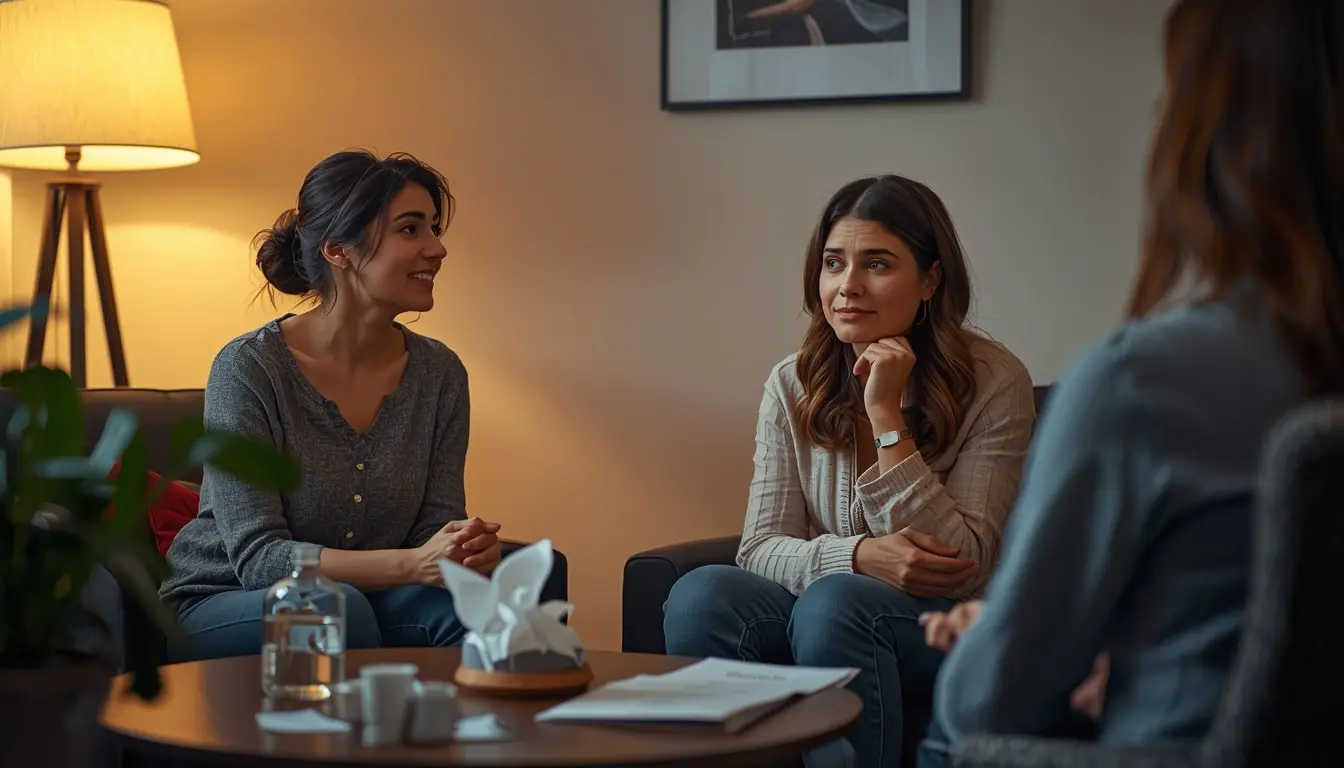
When a woman faces addiction, mental health disorders, or trauma, the path to healing requires more than generic treatment—it demands understanding of her unique experiences, challenges, and strengths. A women’s recovery center provides this specialized care, creating a supportive environment where women can address the root causes of addiction while building sustainable recovery within a community of sisterhood.
Many women struggle in silence, believing they must be strong for everyone else while their own well-being crumbles. Whether you’re a mother juggling children and responsibilities, a professional maintaining appearances while falling apart inside, or someone whose traumatic experiences have led to substance use, you deserve compassionate, evidence-based treatment designed specifically for women.
Understanding Women’s Recovery Centers
The Rose House specializes in treating addiction and mental health conditions in women, recognizing that gender-responsive care is essential for addressing the unique challenges faced by women in recovery. These specialized facilities understand that women face distinct biological, psychological, and social factors influencing both the development of substance use disorder and the recovery process.
Women’s recovery centers like The Rose House recognize that women may metabolize substances differently and may develop addiction faster, requiring unique treatment approaches. Women face more obstacles than men when seeking addiction treatment, including shame, guilt, childcare responsibilities, and histories of trauma that often underlie their substance use.
Why Gender-Specific Treatment Matters
Trauma-Informed Care: Trauma-Informed Care is emphasized at The Rose House to address histories of trauma and abuse that often relate to addiction. Many women turn to substances to overcome traumatic experiences—whether from childhood abuse, domestic violence, sexual assault, or other wounds that remain unhealed. Women-only spaces reduce fear, judgment, and triggers, facilitating stronger peer connections and engagement in therapy.
Co-Occurring Mental Health Disorders: Women often suffer from co-occurring mental health disorders such as depression and anxiety alongside addiction. Many women’s recovery centers recognize the importance of addressing co-occurring mental health disorders alongside addiction through integrated dual diagnosis treatment. This comprehensive approach treats both conditions simultaneously, understanding that healing requires addressing the whole person.
Safe, Female-Only Environment: Women’s recovery centers offer a safe, supportive, all-female environment to address unique female-specific challenges such as trauma and abuse. Women often experience feelings of shame and guilt related to their addiction that can prevent honest sharing in mixed-gender settings. In women’s recovery, clients find a compassionate environment where vulnerability becomes strength, and connection becomes healing.
Core Components of The Rose House
The recovery programs for women often include a combination of individual therapy, group therapy, and family counseling, creating multiple pathways for healing and personal growth.
Evidence-Based Therapies
Dialectical Behavior Therapy (DBT): Evidence-based therapies, such as Dialectical Behavior Therapy and Motivational Enhancement Therapy, are commonly used in women’s addiction treatment programs. Dialectical behavior therapy teaches emotional regulation, distress tolerance, mindfulness, and interpersonal effectiveness—essential tools for women learning to navigate life without substances. This therapy proves particularly effective for women struggling with intense emotions, trauma responses, and relationship challenges.
Eye Movement Desensitization and Reprocessing (EMDR): Eye Movement Desensitization and Reprocessing (EMDR) is utilized as a trauma-focused therapy. EMDR helps reprocess traumatic memories, reducing their emotional charge and allowing women to move forward without being controlled by their past.
Group Therapy: Group therapy is a significant component of women’s addiction treatment programs, providing support and shared experiences among participants. In group settings, women discover they’re not alone in their struggles. The bonds formed in women’s recovery groups often become lifelong sources of support, creating a community where women lift each other toward healing.
Individual Therapy: One-on-one sessions with a therapist allow women to explore their unique journey, address personal trauma, work through family dynamics, and develop individualized strategies for maintaining recovery.
Family Involvement and Support
Addiction is a multifaceted disease that affects not only the individual but also their friends and family members. Family involvement is encouraged in many women’s addiction treatment programs to support the recovery process.
Family Therapy: Family therapy helps heal damaged relationships, improve communication, and create healthy boundaries. These sessions help the whole family understand addiction as a disease, learn how to support recovery, and address their own healing needs.
Family Counseling: Family counseling provides education about addiction, teaches families how to assist women in their recovery journey, and addresses enabling behaviors or codependency patterns that may have developed.
Parenting Support: Parenting and family support programs are often included in women’s recovery centers to help mothers with childcare and family reunification. For mothers, the guilt of being separated from children during treatment can be overwhelming. Women’s rehab programs recognize the importance of maintaining mother-child connections and providing parenting education as part of recovery.
Holistic Approaches to Healing
Holistic approaches to recovery address physical, mental, emotional, and spiritual needs. Women’s addiction treatment programs often employ a holistic approach that addresses physical, mental, emotional, and spiritual health, treating the whole person rather than just the addiction.
Holistic approaches in women’s recovery include therapies like yoga, art, and mindfulness for overall well-being. Additional healing modalities may include:
- Music Therapy: Expressive therapies like music therapy provide non-verbal outlets for processing emotions and trauma
- Mindfulness and Meditation: Practices that ground women in the present moment, reducing anxiety and building emotional awareness
- Physical Wellness: Nutrition education, exercise, and body-centered healing that help women reconnect with their physical selves
- Spiritual Exploration: Opportunities for self-discovery and connection to something larger, however women define that for themselves
This comprehensive approach recognizes that healing trauma and overcoming addiction requires addressing every dimension of a person’s life.
Levels of Care in Women’s Recovery
Women’s recovery centers provide a spectrum of care that may include medical detoxification, inpatient care, outpatient programs, and aftercare support. Many women’s addiction treatment programs offer both residential and outpatient options to accommodate different recovery needs.
Residential Treatment at The Rose House
Extended residential care provides the time and intensive support essential for addressing deep-rooted trauma and addiction. Women live on-site, immersed in healing within a community of other women walking similar paths. This level of care offers:
- 24/7 support in a safe, structured environment
- Intensive individual and group therapy
- Daily programming focused on healing and skill-building
- Removal from triggers and stressors of daily life
- Time to do the challenging and often uncomfortable inner work recovery requires
Outpatient Programs
For women who have completed residential treatment or those with less severe substance use, outpatient programs provide continued support while allowing women to live at home. These programs help women practice new skills in real-world settings while maintaining accountability and connection to their recovery community.
Sober Living and Transitional Housing
Sober living environments provide structured, substance-free housing as women transition from intensive treatment back to independent life. These settings offer accountability, peer support, and a safe place to practice recovery skills before fully re-entering the world.
What Makes The Rose House Different
At The Rose House, women break free from addiction and trauma within an intimate 17-bed facility in beautiful Colorado. Since 2007, we’ve been helping women create the beautiful lives they desire and deserve through extended care residential treatment focused on trauma, addiction, and mental health.
Our Approach to Women’s Recovery
Trauma at the Root: We understand that trauma underlies addiction for most women. Our program is built on the principle that any experience that is less than nurturing can be traumatic, and true healing requires addressing these wounds at their source.
Extended Care Model: Real transformation takes time. Our extended care residential program provides the months—not just weeks—women need to heal trauma, build skills, treat co-occurring disorders, and create sustainable recovery. We offer step-down phases that gradually transition women back to independent life with continued support.
Community of Sisterhood: Women get better here because healing happens within connection. Our small, intimate facility creates a dynamic community of recovery where women support each other through vulnerability, accountability, joy, and camaraderie. The bonds formed here become lasting sources of strength.
Individualized Treatment Plans: Individualized treatment plans are tailored to each woman’s unique background and needs. We recognize that each woman’s path to addiction is different, and her journey to healing must honor her unique story, strengths, and goals.
Mothers Welcome: We accept mothers, but unfortunately, they cannot bring their children, understanding that separation from children shouldn’t be a barrier to getting life-saving treatment. Our approach supports mothers in their recovery while honoring the importance of the mother-child bond.
Mental Health Treatment: We treat women struggling with mental health disorders even without substance use disorder, recognizing that trauma and mental health challenges deserve the same comprehensive, compassionate care.
Evidence-Based and Integrative Treatment
Our evidence-based treatment integrates proven therapeutic approaches with holistic healing modalities. Women receive:
- Trauma-focused therapies addressing the root causes of addiction
- Dialectical behavior therapy for emotional regulation and distress tolerance
- EMDR for trauma processing
- Group therapy within a community of women
- Family therapy and family counseling to heal relationships
- Holistic therapies supporting mind-body-spirit wellness
- Life skills training for sustainable independence
- Relapse prevention strategies for long-term recovery
Programs in women’s recovery centers focus on female-specific issues like PTSD, depression, anxiety, low self-esteem, and parenting challenges. At The Rose House, we address all of these with compassion, understanding, and evidence-based care.
The Journey to Lasting Recovery
The recovery journey isn’t linear—it’s a path of healing, growth, setbacks, and breakthroughs. The Rose House is a women’s recovery center that empowers women by building self-esteem, resilience, and self-worth. The primary goal isn’t just achieving lasting sobriety—it’s creating a life so fulfilling that substances no longer have a place in it.
What Recovery Looks Like
Early Days: Women arrive at a recovery center often feeling broken, ashamed, and hopeless. The first step involves stabilization, building safety, and beginning to believe that positive change is possible.
Deep Work: As women stabilize, the challenging inner work begins—processing trauma, understanding addiction patterns, addressing mental health disorders, and developing new tools for managing life’s challenges without substances.
Building Skills: Women learn essential life skills they may never have developed—healthy communication, emotional regulation, boundary-setting, conflict resolution, budgeting, time management, and self-care practices.
Reconnection: Healing relationships with family, repairing trust, and rebuilding connections that addiction damaged becomes possible. Women also discover or rediscover their authentic selves beneath addiction and trauma.
Sustainable Recovery: With relapse prevention strategies in place, women transition from treatment with confidence, tools, and a support network. The work continues, but women leave empowered to create lives of lasting recovery and well-being.
Success in Women’s Recovery
Women in recovery programs often express gratitude for the support and values they learn during treatment. Many women report feeling a sense of worth and value after completing recovery programs. Success stories from women in recovery highlight the importance of community and support in their healing journey.
Testimonials from women indicate that recovery programs help them reconnect with their families and improve their parenting skills. Women frequently mention that the support they receive in recovery programs is crucial for overcoming their addiction. Personal stories from women in recovery often emphasize the transformative impact of therapy and counseling.
Women often share that they have learned essential life skills during their recovery, discovering capabilities they never knew they possessed. A woman’s successful recovery extends beyond substance abstinence—it’s about creating peace, purpose, and authentic connection in every area of life.
Continuing Care and Alumni Support
Aftercare services are often provided to support women in maintaining their recovery after completing a treatment program. The recovery process doesn’t end when residential treatment concludes—it’s a lifelong journey requiring ongoing support, connection, and commitment.
Alumni Support: Alumni support programs keep women connected to their recovery community long after they leave treatment. These programs may include:
- Regular alumni events and reunions
- Online support groups and check-ins
- Mentorship opportunities with women further along in recovery
- Continuing education workshops
- Access to resources and referrals as needs arise
Ongoing Therapy: Continued individual therapy, group support meetings, and engagement with recovery communities help women maintain the gains made in treatment and navigate challenges as they arise.
Relapse Prevention: Learning to recognize warning signs, having a concrete relapse prevention plan, and knowing when to reach out for help protects long-term recovery. Relapse, if it occurs, doesn’t mean failure—it’s an opportunity to learn and strengthen recovery.
Taking the First Step

If you’re a woman struggling with addiction, trauma, or mental health disorders—or if you’re a loved one seeking help for someone who’s suffering—know that healing is possible. Women get better in environments designed specifically for their needs, delivered by compassionate professionals who understand the unique challenges women face.
Seeking treatment takes tremendous courage. It means admitting you cannot do this alone, that the disease of addiction has become more powerful than willpower. It means choosing yourself, perhaps for the first time in years. That choice—to seek help, to prioritize your healing, to believe you deserve recovery—is where transformation begins.
At The Rose House, we’ve walked alongside thousands of women on this journey. We understand the fear, the shame, the hope, and the courage it takes to reach out. We’re here to support you every step of the way.
Ready to take the first step? Contact The Rose House to learn how our women’s recovery program can support your journey to healing and lasting sobriety, or find out more about alcoholism in women.
Frequently Asked Questions
A women’s recovery center provides gender-responsive care specifically designed for women’s unique needs, challenges, and experiences. Women face distinct obstacles when struggling with addiction: they’re more likely to have experienced trauma, often develop substance use disorder within relationships, may have childcare responsibilities, and metabolize substances differently than men.
In women-only treatment environments, women feel safer sharing traumatic experiences, addressing shame and guilt specific to female addiction, discussing body image concerns, exploring motherhood and family dynamics, and building authentic connections without gender-related dynamics or distractions.
Research shows that women in gender-specific treatment have better outcomes, stay engaged in treatment longer, and develop stronger peer support networks. Women’s recovery centers understand that addressing female-specific issues like PTSD, sexual trauma, domestic violence, eating disorders, and parenting challenges requires specialized expertise and a safe, supportive environment where women can be vulnerable without fear of judgment.
At The Rose House, our all-women’s community creates a sisterhood where healing happens through connection, shared experience, and mutual support—something that’s more difficult to achieve in co-ed settings.
Yes, comprehensive women’s recovery programs provide dual diagnosis treatment addressing both substance use disorder and mental health disorders simultaneously. Women often suffer from co-occurring conditions like depression, anxiety, PTSD, bipolar disorder, or eating disorders alongside addiction. Treating one without the other leads to incomplete recovery and higher relapse risk.
The Rose House recognizes the importance of integrated treatment because mental health disorders and addiction feed each other. Women may use alcohol or substances to manage untreated depression or anxiety, while substance use worsens mental health symptoms—creating a cycle that requires addressing both conditions together.
Evidence-based therapies like dialectical behavior therapy, EMDR, and cognitive behavioral therapy treat both addiction and mental health disorders effectively. Medication management, when appropriate, can also support recovery by stabilizing mood disorders while women develop healthy coping skills.
At The Rose House, we treat women struggling with mental health and substance use disorders, as well as those with mental health disorders even without substance use disorder, because we understand that trauma and mental health challenges deserve the same comprehensive, trauma-informed care. Our individualized treatment plans address each woman’s complete clinical picture, not just isolated symptoms.
Some women’s recovery centers accept mothers with children, recognizing that childcare responsibilities should never prevent women from accessing life-saving treatment. For many mothers, the guilt and heartbreak of being separated from children creates an impossible barrier to seeking help—even when they desperately need treatment. However, at The Rose House, we do not accept mothers with their children; instead, we treat mothers away from their children so they can heal and be reunited with their children when the time is right.
Programs that welcome mothers with children provide:
Safe, nurturing environments for children while mothers participate in treatment
Parenting education and family therapy addressing mother-child relationships
Support for healing the guilt many mothers carry about how addiction has affected their children
Opportunities to practice new parenting skills in real-time
Understanding that successful recovery means becoming the mother you want to be
Parenting and family support programs help mothers with childcare and family reunification goals, recognizing that many women’s primary motivation for recovery is creating better lives for their children.
Even at facilities that cannot accommodate children on-site, like The Rose House, family therapy and family counseling involve children in age-appropriate ways, working toward family healing and reunification. The whole family benefits when a mother receives treatment and enters recovery.
If you’re a mother considering treatment, don’t let concerns about your children stop you from getting help. Ask about their policies and how they support mothers throughout treatment.
Treatment length varies based on individual needs, but extended care residential programs typically last 60-90 days or longer. While some programs offer 28-30 day stays, research consistently shows that longer treatment produces better outcomes, particularly for women with trauma histories and co-occurring disorders.
Women’s recovery programs may include:
Medical detoxification (3-7 days): Safe withdrawal management when needed
Residential treatment (60-180+ days): Intensive therapeutic work addressing trauma, addiction, and mental health
Step-down phases: Gradual transition with decreasing intensity of support
Sober living (several months): Continued structure and accountability
Outpatient programs (6-12+ months): Ongoing support while living independently
Alumni support (lifelong): Continued connection to recovery community
At The Rose House, we offer extended care residential treatment because we understand that healing trauma and building sustainable recovery takes time. Real transformation—the kind that leads to lasting recovery and lasting sobriety—cannot be rushed. We provide the months women need to do deep therapeutic work, develop essential life skills, treat co-occurring disorders, and build the foundation for a beautiful new life.
The question isn’t how quickly you can complete treatment—it’s how long it takes to heal, grow, and create the tools for lifelong recovery. Every woman’s journey is different, and treatment length should reflect individual needs rather than arbitrary timeframes.
Begin Your Healing Journey at The Rose House
Women break free from addiction, heal from trauma, and create beautiful lives in recovery at The Rose House. Our intimate 17-bed facility in Colorado provides extended care residential treatment within a community of sisterhood where transformation happens through compassionate, evidence-based care.
Since 2007, we’ve been empowering women to overcome addiction and reclaim their lives through:
- Trauma-focused treatment addressing root causes
- Extended care allows time for deep healing
- Individualized treatment plans honoring each woman’s journey
- Evidence-based and holistic therapies
- Small, supportive community of women
- Acceptance of mothers with children
- Step-down phases supporting sustainable transition
You deserve healing. You deserve peace. You deserve recovery.
Contact The Rose House** today to learn how our women’s recovery center can support your journey. Call us to speak with our compassionate admissions team about taking the first step toward the life you desire and deserve.**
About The Rose House
The Rose House is a licensed and Joint Commission-accredited women’s recovery center located in beautiful Colorado. Since 2007, we’ve specialized in extended care residential treatment for women struggling with addiction, trauma, and mental health disorders. Our 17-bed facility provides intimate, individualized care within a dynamic community of recovery. We accept women over the age of 18, offering trauma-informed, evidence-based treatment that addresses the whole person—psychological, emotional, physical, spiritual, and cognitive wellness. Learn more at www.therosehouse.com.